
Introduction to Gochujang Pasta Recipe
The Gochujang Pasta Recipe beautifully blends the flavors of Korea and Italy, creating a dish that is both exotic and comforting. But what inspired this delightful fusion? Culinary enthusiasts have long embraced the notion that food knows no boundaries. The complexity of Korean ingredients—especially the spicy, fermented gochujang paste—pairs surprisingly well with the creamy, rich texture of Italian pasta sauces.
As globalization brings diverse flavors to our tables, chefs and home cooks alike are experimenting with fusion cuisine. The result is a delicious dish that not only satisfies cravings but also tells a story of culinary collaboration. Just think about it: in a world where everyone is looking for unique dining experiences, combining the umami depth of gochujang with classic Italian elements brings something fresh and exciting to your kitchen.
You don't need to be a gourmet chef to whip this up. With just a few simple ingredients, including pasta, garlic, mushrooms, and, of course, gochujang, you can create meal-worthy magic in 20 minutes. Perfect for busy young professionals, this vegan-friendly dish makes for an ideal weeknight dinner or an impressive dish to share at gatherings. So, let’s dive into the full Gochujang Pasta Recipe!
Ingredients for Gochujang Pasta
Essential ingredients for a creamy, spicy pasta dish
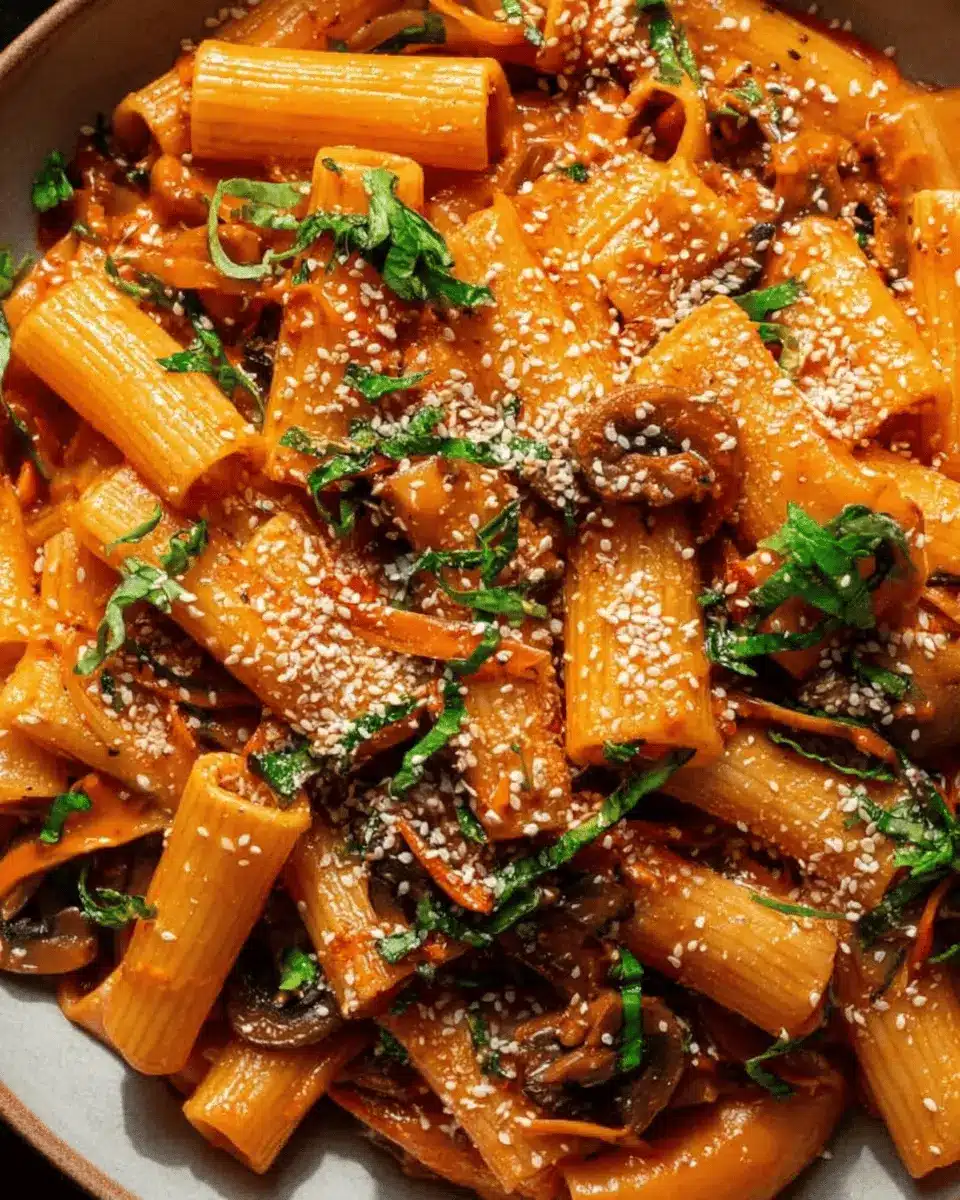
To whip up this delightful gochujang pasta recipe, you'll need a handful of essential ingredients that bring together creamy and spicy flavors. Start with paccheri or rigatoni pasta as the base, combined with garlic and shallots for that aromatic kick. Add in white button mushrooms or cremini for extra texture and umami. The star of the dish is, of course, gochujang paste—a spicy and savory Korean chili paste that adds depth to your sauce. You'll also need half-and-half for creaminess, but don't forget a pat of butter and a sprinkle of parmesan cheese or a vegan alternative.
Suggested substitutes for dietary preferences
If you're looking for alternatives, worry not! Gluten-free pasta works well, and for a lighter version, try using low-fat dairy or even Nutpods as a dairy-free creamer. For those watching their sodium, adjusting the salt level according to your taste can make this dish just right. The beauty of this gochujang pasta recipe lies in its versatility, so feel free to mix and match!
For more on these ingredients, check out this helpful guide on gochujang.
Preparing Gochujang Pasta
When it comes to putting a delicious spin on traditional pasta, this gochujang pasta recipe is a winner. It’s incredibly quick to make—perfect for busy weeknights or a cozy dinner party. The creamy texture paired with the spicy kick of gochujang makes each bite delightful. Let’s dive into the steps!
Gather and Prep All Ingredients
Before you start cooking, it’s important to ensure that you have all the ingredients lined up and prepped. This can save you time and make the cooking process smoother! Here’s what you need:
- Pasta: Choose between gluten-free paccheri or rigatoni.
- Aromatics: Thinly slice 6 large garlic cloves and finely chop 1 oz. of shallot.
- Mushrooms: Slice 10 oz. of white button or cremini mushrooms.
- Sauce Ingredients: Get your hands on 3 tablespoon of olive oil, salt, 2-3 tablespoon of gochujang paste, 1 cup half-and-half or dairy-free cream, 1 tablespoon butter, and some grated parmesan or cashew cheese to finish.
Once everything is prepped, cooking starts to feel much more manageable.
Cook the Perfect Pasta
Bring a large pot of salted water to a boil and add your pasta of choice. Cooking pasta to al dente is key; it should be firm to the bite yet cooked through. Follow the package instructions but remember to reserve about a ¼ cup of that starchy pasta water before you drain it; this will help to bring your sauce together later.
Sauté Aromatics and Mushrooms
In a large skillet over medium heat, start by adding 2 tablespoon of olive oil, followed by your garlic, shallot, and a pinch of salt. Sauté for about 15-20 seconds or until fragrant. Next, toss in your sliced mushrooms along with another pinch of salt and the remaining oil. Cook until the mushrooms soften, about 3 minutes. This step builds a beautiful flavor base for your creamy gochujang sauce.
Create the Creamy Gochujang Sauce
Push the mushrooms to the side and add your gochujang paste into the center of the pan. Sauté it for about 10 seconds to allow its spicy aroma to release. Slowly pour in your cream, stirring with a wooden spoon until everything is well combined. If your pasta isn’t ready yet, don’t worry! Just turn off the heat to prevent the sauce from over-reducing.
Combine Pasta With Sauce and Finish
Once your pasta is ready, fold it into the skillet with the sauce. Toss over medium heat for about 30 seconds to coat it perfectly. Stir in 1 tablespoon of butter, allowing it to melt and thicken your sauce—this should take about 2-3 minutes. If you find the mixture too dry, splash in some of the reserved pasta water.
Finally, transfer your delightful creamy gochujang pasta to a serving plate and sprinkle with parmesan and fresh chives. Serve warm, and watch it impress your friends and family alike!
With this step-by-step guide, making gochujang pasta is a breeze. Enjoy your meal!
Variations on Gochujang Pasta
Vegan and Gluten-Free Versions
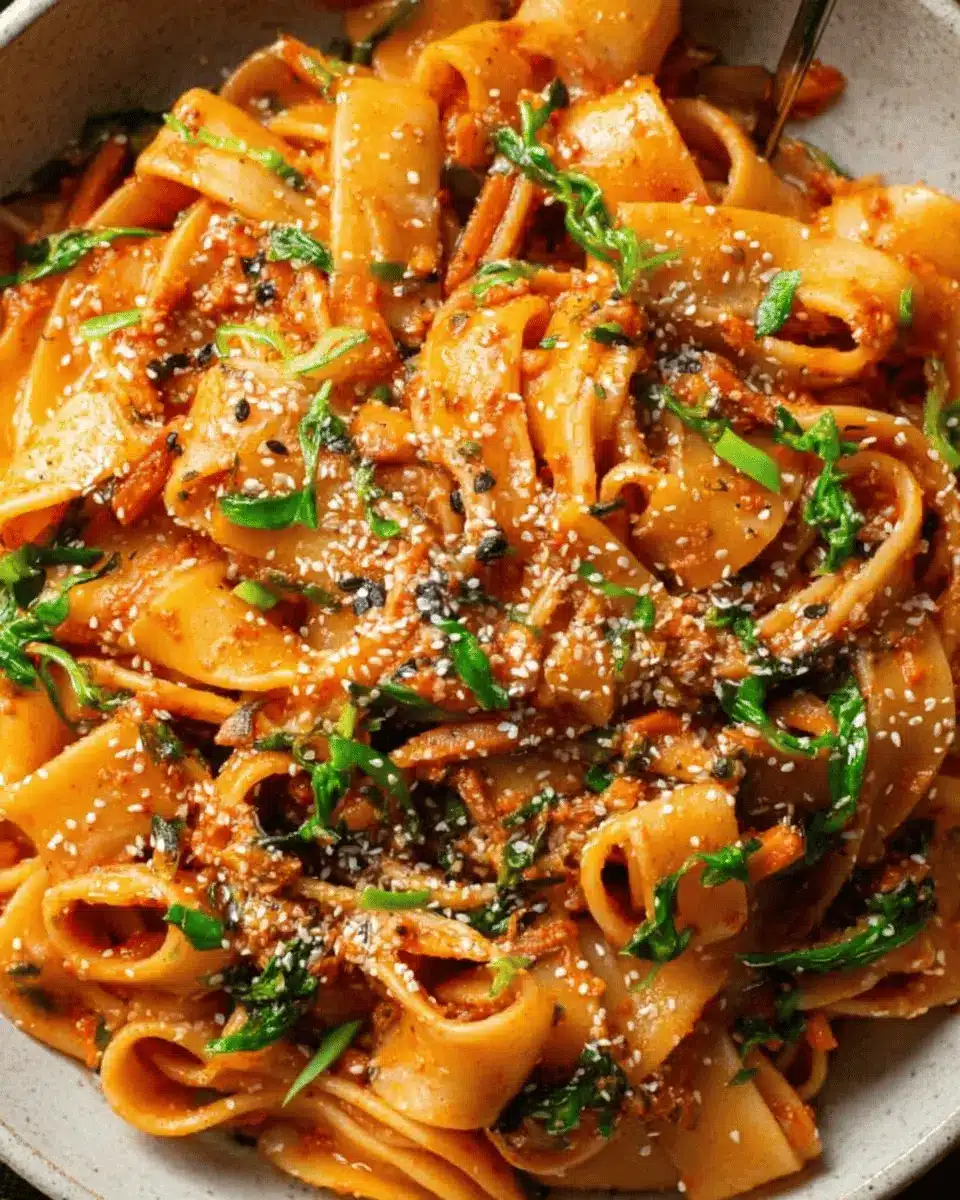
You can easily adapt your gochujang pasta recipe to suit vegan and gluten-free diets! Swap traditional pasta for gluten-free varieties like brown rice or quinoa pasta. For the cream, use a dairy-free creamer like almond or oat milk instead of half-and-half—this will keep the sauce rich yet light. If you want to add depth, try a splash of nutritional yeast for that cheesy flavor without the dairy. Looking for delicious vegan options? Check out this guide to vegan cooking for some inspiration.
Adding Protein: Chicken Ham or Turkey Bacon Options
For those who want a protein boost, consider stirring in slices of chicken ham or crispy turkey bacon. The savory flavors of these options complement the gochujang beautifully. Cook the turkey bacon until crispy, then chop it up and toss it in right before serving for that extra crunch. Chicken ham can be added to the sauce as it simmers, allowing it to soak up all those wonderful flavors. These protein additions not only enhance nutritional value but also make your meal even more satisfying!
Cooking notes for Gochujang Pasta
Tips for balancing flavors
When making your gochujang pasta recipe, it's crucial to balance the heat of the gochujang. Start with just 2 tablespoons if you're unsure, and taste as you go. The creaminess of the sauce helps mellow the spice, creating a harmonious flavor profile that appeals to everyone at the table. Feel free to add a pinch of sugar if you find the dish needs a slight sweetness to round out the flavors.
Ingredient storage tips
To keep your ingredients fresh, store any leftover gochujang in a cool, dry place, preferably in an airtight container. Fresh garlic and shallots should be kept in a ventilated area, away from sunlight, to maintain their flavor. For mushrooms, ensure they are in a paper bag in the fridge, allowing them to breathe and preventing them from becoming slimy. Cooked pasta can be refrigerated for up to 3-5 days—just ensure it's in a sealed container to prevent drying out.
Feel free to explore more about ingredient storage in this article for best practices!
Serving suggestions for Gochujang Pasta
Perfect pairings: sides and drinks
To elevate your gochujang pasta recipe, consider serving it alongside a vibrant Asian-inspired salad, perhaps a refreshing cucumber and carrot slaw dressed in sesame oil and lemon. For something heartier, crispy tofu nuggets or garlic sautéed green beans work brilliantly. As for drinks, a cold sparkling water infused with lime or a refreshing iced green tea can balance out the spice, while providing a delightful contrast to the creamy sauce.
Creative garnishing options
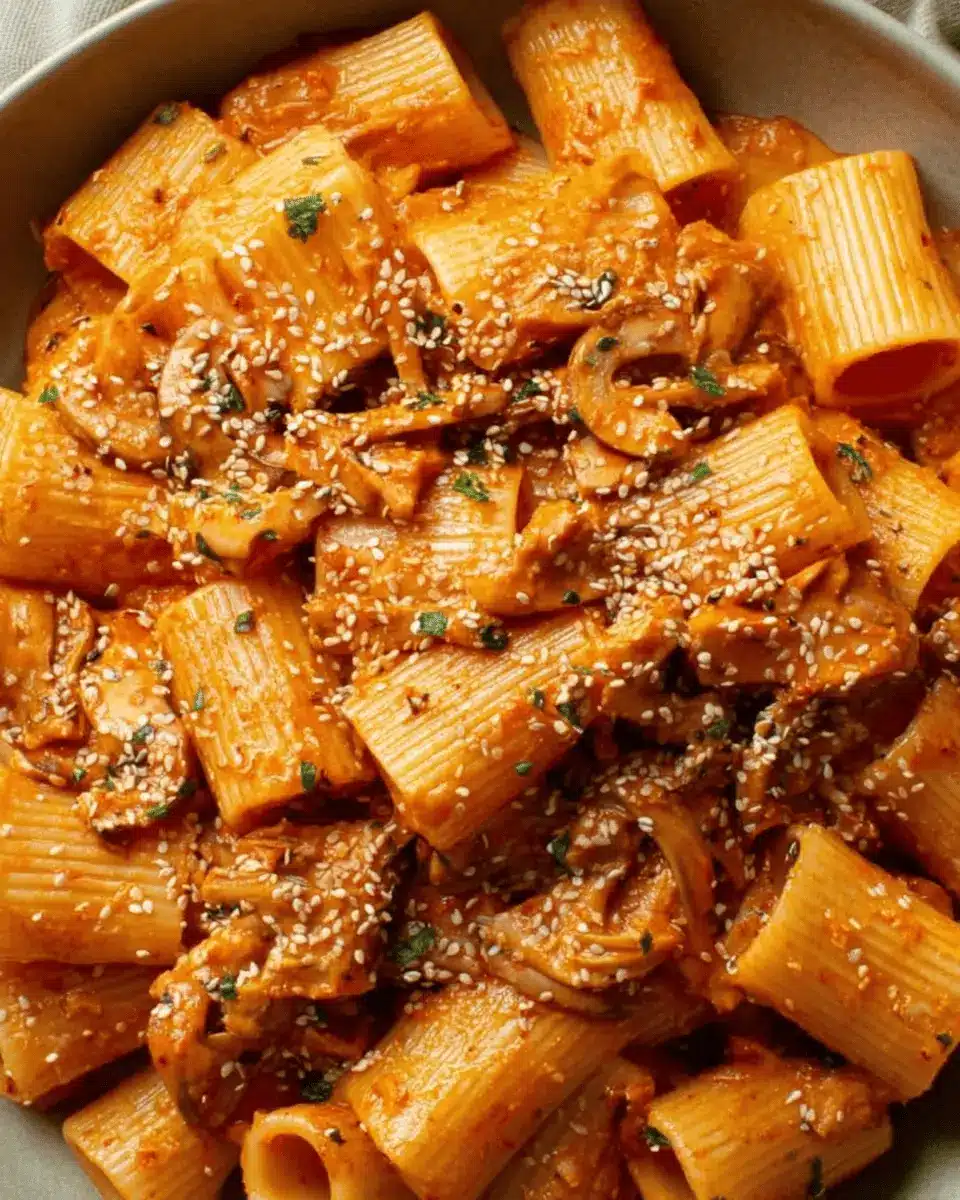
Garnishing your dish is a fun way to add your personal touch. Top your gochujang pasta with crispy chili flakes for an extra kick, or sprinkle toasted sesame seeds and freshly chopped cilantro for a burst of flavor. Alternatively, a drizzle of sesame oil can enhance the dish’s richness. If you want a fun twist, consider adding some pickled radishes on the side for crunch and tang!
Time Breakdown for Gochujang Pasta
Preparation Time
Getting started takes just 5 minutes! You'll quickly chop your garlic, shallots, and mushrooms, setting the stage for a delicious meal.
Cooking Time
Once you're prepped, the actual cooking only takes 15 minutes. That’s right—your creamy gochujang pasta will be ready in no time!
Total Time
All together, you'll need just 20 minutes from start to finish. Perfect for a delicious weeknight dinner or a quick lunch!
If you're looking for more tips on ingredient choices or cooking methods for your gochujang pasta recipe, check out our detailed guide on the various types of pasta you can use. Happy cooking!
Nutritional facts for Gochujang Pasta
Calories
Each serving of this gochujang pasta recipe contains approximately 312 calories. This makes it a satisfying yet relatively light meal option, ideal for those looking to enjoy a hearty dish without overindulging.
Fiber and protein content
This delicious pasta dish packs a decent amount of fiber with 2 grams per serving, helping support digestive health. Additionally, it provides 9 grams of protein, making it a balanced meal that can help keep you feeling full and energized.
Key vitamins and minerals
Nutritionally, this gochujang pasta is enriched with essential vitamins and minerals, including:
- Vitamin A: Helps with vision and immune function, providing 212 IU per serving.
- Calcium: Supports bone health, with about 65 mg per serving.
- Iron: Important for blood production, offering approximately 1 mg.
These nutrients make this gochujang pasta recipe not just delicious but also nourishing, supporting your overall health while you savor the unique flavors.
For more information on the benefits of these ingredients, check out resources like the USDA Food Composition Database to delve deeper into the nutrition profiles of the foods you enjoy!
FAQs about Gochujang Pasta
Can I make it spicier?
Absolutely! If you like a kick, feel free to increase the amount of gochujang paste. Start with a little extra, tasting as you go, to find your perfect level of heat. Remember, everyone’s spice tolerance is different, so it’s a fun way to personalize your gochujang pasta recipe!
What type of pasta works best?
While the recipe suggests paccheri or rigatoni, you can use just about any pasta shape you love! Whether it’s spaghetti, penne, or even gluten-free options, each will hold onto that creamy gochujang sauce beautifully. The key is to choose a shape that complements the texture of the sauce.
How to store leftovers?
Leftover gochujang pasta can be stored in an airtight container in the fridge for up to three days. To reheat, gently warm it on the stove with a splash of water or cream to retain that creamy consistency. For best results, avoid microwaving directly, as it can dry the dish out. Enjoy your delicious meal again!
Conclusion on Gochujang Pasta
Why this dish is a weeknight game-changer
Imagine coming home after a long day and being able to whip up a flavor-packed meal in just 20 minutes. This gochujang pasta recipe is perfect for busy weeknights, merging the rich creaminess of Italian cuisine with the bold, fiery notes of Korean flavors. Plus, it’s versatile and customizable, so you can adjust the spice to fit your taste! Enjoy this dish with friends or family; they’ll be asking for seconds. With its delightful blend of spices and textures, you might just find a new favorite for your weeknight rotation!
Gochujang pasta recipe
Equipment
- large pot
- 12-inch skillet
- wooden spoon
Ingredients
- 8.8 oz paccheri or rigatoni (Gluten-free)
- 6 large garlic cloves, thinly sliced
- 1 oz shallot, finely chopped
- 10 oz white button mushrooms or cremini, sliced
- 3 tablespoon olive oil
- 2 pinches coarse sea salt or more to taste
- 2-3 tablespoon gochujang paste
- 1 cup half-and-half heavy cream or dairy-free creamer
- 1 tablespoon butter
- grated parmesan cheese or cashew parmesan cheese Sprinkle
- chopped chive Sprinkle
Instructions
- Bring a large pot of water to a boil. Salt the water and cook the pasta until just al dente, following package directions. Reserve ¼ cup of the pasta water before draining.
- While the pasta cooks, prepare the garlic, shallot, and mushrooms.
- Heat a large (12-inch) skillet over medium heat until warm. Add 2 tablespoon olive oil, garlic, shallot, and a pinch of salt. Sauté until fragrant, about 15 -20 seconds.
- Add mushrooms, the remaining 1 tablespoon olive oil, and another pinch of salt. Sauté until the mushrooms release some liquid and soften slightly, about 3 minutes.
- Push the mushrooms to the side and add the gochujang paste to the center of the pan. Sauté the paste for 10 seconds to release its aroma.
- Pour in the cream and stir with a wooden spoon until the paste is fully incorporated, about 1 minute. If the pasta isn’t ready yet, turn off the heat so the sauce doesn’t over-reduce.
- Add the drained pasta to the pan. Toss over medium heat for 30 seconds to coat.
- Stir in the butter and let it melt. The sauce will thicken and turn glossy, about 2–3 minutes. If it feels dry, splash in some reserved pasta water.
- Transfer to a serving plate and sprinkle with parmesan and chives. Serve hot or warm.
Leave a Reply