
Introduction to Kimchi Recipe
Why every young professional should try making kimchi at home
Have you ever thought about diving into the world of fermentation? Making your very own kimchi might just be the perfect introduction! This traditional Korean dish is not only delicious, but it also packs a hefty nutritional punch. For young professionals juggling busy schedules, preparing kimchi at home offers a gratifying and rewarding cooking project that can elevate your meals throughout the week.
Creating your own napa cabbage kimchi allows you to experiment with flavors and ingredients, giving you a unique culinary experience. Plus, did you know that fermented foods like kimchi are known for their probiotic benefits? They can support gut health, boost immunity, and even improve mental well-being, making them an essential addition to your diet.
The process might seem daunting at first, but fear not! With my step-by-step kimchi recipe, you’ll discover just how easy and enjoyable this delightful dish can be. You’ll impress your friends at gatherings, enjoy its tangy crunch in your everyday meals, and even save some bucks by making it yourself. So why not roll up your sleeves and embark on this flavorful journey? You won’t regret it!
For more insight into the health benefits of fermented foods, check out this article from Healthline.
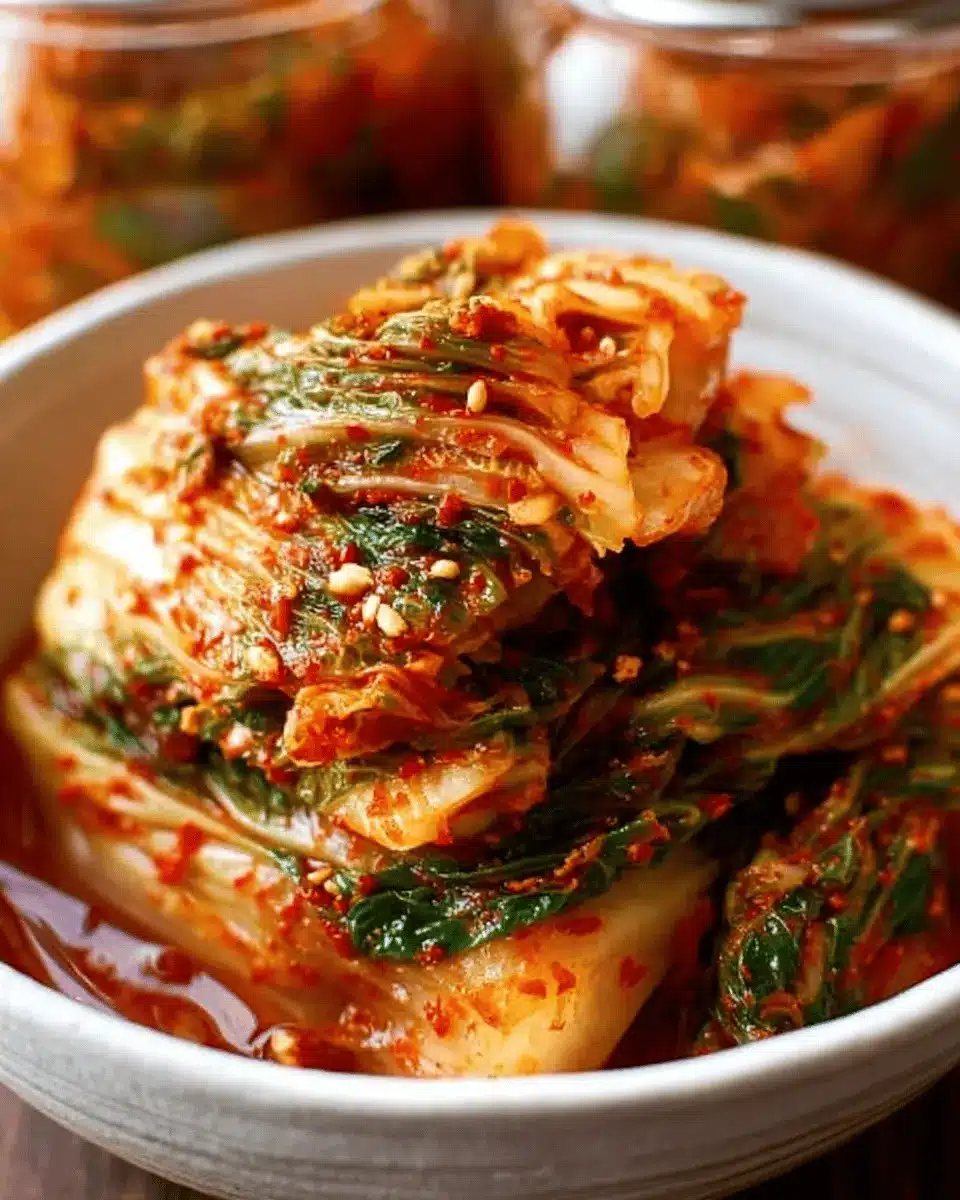
Ingredients for Kimchi Recipe
Main ingredients for authentic napa cabbage kimchi
Creating a delicious napa cabbage kimchi starts with the right foundation. For an authentic taste, you’ll need:
- 4 kg napa cabbage (remove the thick outer leaves for the best texture)
- 16 cups of water to brine the cabbage
- 1.5 cups of Korean coarse sea salt or natural rock salt
- ½ cup of cooking salt for seasoning
These ingredients are essential for achieving the crunchy, flavorful base that makes kimchi irresistible.
Essential seasoning components for kimchi paste
The magic of kimchi truly lies in its seasoning. To make your kimchi paste, gather:
- 2 tablespoon of glutinous rice flour
- 1.5 cups of water
- 1.5 cups of gochugaru (Korean chili flakes) for that signature heat
- 540 g of julienned Korean radish or daikon radish
- A blend of garlic, ginger, and a touch of sugar
This flavorful paste is what brings the cabbage to life and will have your taste buds dancing!
For more about these staples, check this guide on Korean ingredients.
Preparing Kimchi Recipe
Making your own napa cabbage kimchi is not just an exercise in culinary skill; it's an adventure into Korean culture and flavors. With a little time and patience, you can create a delicious, tangy side dish that packs a punch of probiotics and nutrition. Let’s dive into the preparation steps for this kimchi recipe!
Step 1: Preparing the napa cabbage
Start by cutting your napa cabbage into quarters. It's essential to rinse it well under running water while keeping the stem intact. This helps to keep the leaves connected, which makes the end process a bit easier when you're applying the seasoning. Remember, you're working with around 4 kilograms, so make sure your sink is spacious enough for this task!
Step 2: Brining and salting the cabbage
Next, let’s move on to brining. Dissolve 1.5 cups of Korean coarse sea salt in 16 cups of water in a large bowl—this step is crucial for enhancing flavors and keeping the cabbage crisp. Dip each quarter of cabbage into the saltwater, then place them on a tray for further salting. For an effective brine, sprinkle cooking salt over the thick white part of the cabbage, giving extra attention to the inner leaves. This ensures that the kimchi absorbs the salt evenly.
To ferment properly, place the salted cabbages into a large food-grade plastic bag or bucket, then pour in the reserved saltwater. If using a bucket, you'll want something heavy on top to press the cabbage down. Set this aside for about 6 hours, flipping the cabbage every couple of hours to ensure even saturation.
Step 3: Making the kimchi paste
While the cabbage is brining, you can whip up the kimchi paste. Start by cooking glutinous rice flour with water in a saucepan until it thickens. Once that cools, mix in your gochugaru, or Korean chili flakes. In a separate large mixing bowl, combine julienned radish, fine sea salt, fish sauce, and minced shrimp, then let them salinate for about ten minutes. Finally, add your chives, carrots, garlic, ginger, raw sugar, and the chili paste mixture, stirring it all together.
Step 4: Marinating the cabbage with the paste
Once the cabbage has finished brining and has been rinsed, it's time to marinate! Lay each quarter of cabbage flat and spread the kimchi paste generously over each leaf. A small handful should suffice, ensuring you coat only one side, but make sure to cover all the leaves.
Step 5: Fermenting and storing the kimchi
Transfer your beautifully coated cabbage into a kimchi container. Allow it to sit at room temperature for about 24 hours, then move it to the refrigerator to deepen the flavors. While it’s technically ready to eat when chilled, for a truly authentic taste, hold out for an additional 3-4 days of fermentation.
Now you have your homemade kimchi ready. Chop up a portion and place it in a smaller container for easy access, storing the rest carefully in the large container to maintain freshness.
For a deep dive into the science and culture behind kimchi, check out resources from Korean Food Foundation for more tips and variations. Enjoy your culinary journey into making this classic Korean side dish!
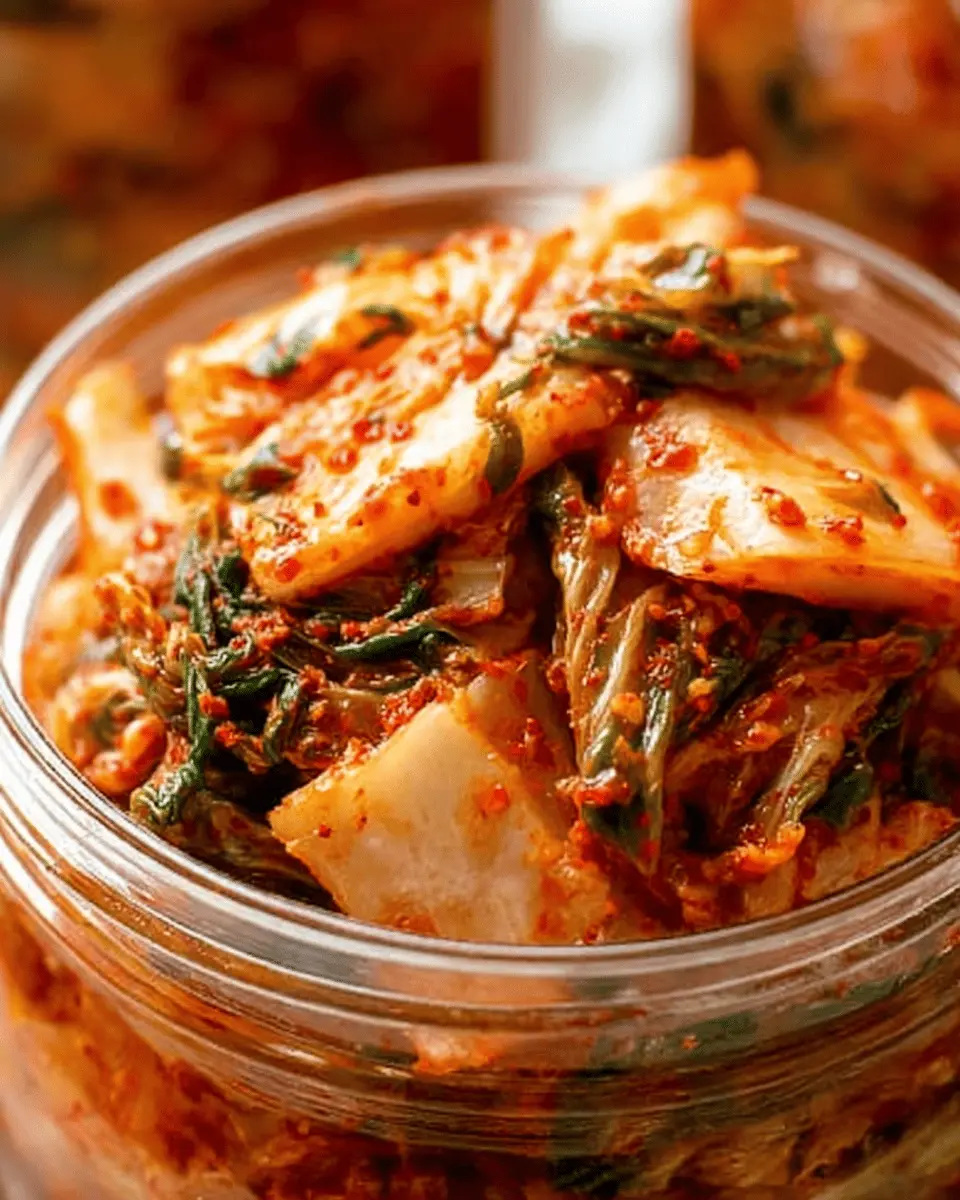
Variations on Kimchi Recipe
Exploring variations of your kimchi recipe can be a fun and delicious journey! Here are some friendly suggestions to spice things up:
Vegetarian-friendly kimchi options
If you’re looking for a vegetarian twist, simply omit the fish sauce and salted shrimp, and replace them with a splash of soy sauce or miso paste. You can also add more veggies like sliced bell peppers, cucumbers, or mushrooms for extra crunch and flavor.
Creative twists like fruit-infused kimchi
For a unique take, consider crafting a fruit-infused kimchi! Adding ingredients like diced pineapple, grated apple, or even pear can impart a delightful sweetness. You’ll get a refreshing and unexpected burst of flavor that pairs beautifully with spicy dishes.
For more creative kimchi ideas, check out resources from Korean Bapsang and Maangchi. Happy fermenting!
Cooking tips and notes for Kimchi Recipe
Best practices for successful fermentation
To achieve perfectly fermented kimchi, keep a close eye on temperature and moisture. Ideally, maintain a cool, consistent environment—around 65-75°F (18-24°C) is perfect. Be sure to taste your kimchi after 24 hours; it may need more time depending on your preference for tanginess. And remember, the salt level is key; proper salting helps with both flavor and fermentation.
Storage tips for maintaining freshness
Store your kimchi in an airtight container to minimize exposure to air. A glass jar works well; it’s easy to see how your kimchi is doing! Keep it in the fridge, and consider transferring smaller portions to separate containers for serving. This method helps maintain the freshness for longer. Want to learn more about storing kimchi? Check out this comprehensive guide.
With just these simple tips, you’ll be on your way to creating delicious and vibrant napa cabbage kimchi your friends and family will rave about!
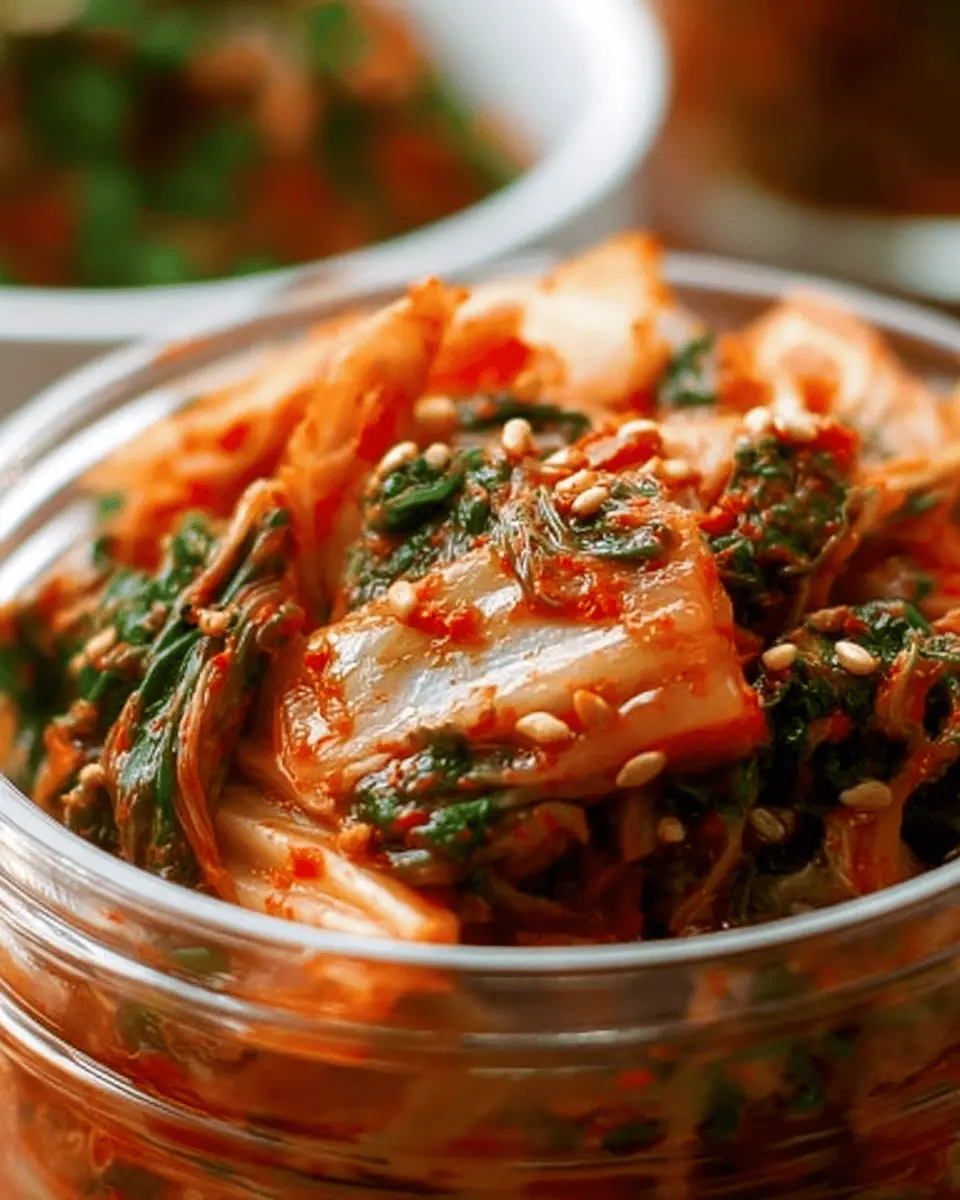
Serving Suggestions for Kimchi Recipe
How to Incorporate Kimchi into Your Meals
Incorporating kimchi into your meals adds a punch of flavor and a nutritional boost! Use it as a topping for rice bowls or Korean bibimbap, or mix it into your favorite stir-fries. You can also enjoy it in a spicy kimchi stew (kimchi jjigae) for a comforting, soul-warming dish. Even breakfast can benefit—try it with scrambled eggs or as a savory toast spread!
Pairing Kimchi with Other Homemade Dishes
The beauty of your kimchi recipe lies in its versatility. It pairs wonderfully with a variety of dishes, such as:
- Turkey Bacon or Chicken Ham sandwiches for a zesty twist.
- Crispy Beef tacos for a fusion delight.
- Savory mashed potatoes to awaken your palate.
Don’t forget about incorporating it into snacks, like quesadillas or savory pancakes! For even more creative inspiration, check out this kimchi-focused blog which can help elevate your cooking game.
Time Breakdown for Kimchi Recipe
Preparation Time
You'll need about 2 hours and 30 minutes to prepare your napa cabbage kimchi. This includes cutting, rinsing, and salting the cabbage, as well as mixing your kimchi paste.
Brining Time
The brining process involves about 6 hours of soaking your cabbage in saltwater. This crucial step allows the cabbage to soften and absorb flavors.
Total Time
In total, expect to dedicate around 8 hours and 30 minutes to the entire kimchi-making process. But don’t worry—most of this time is passive, allowing you to focus on other tasks while the flavors develop!
For more insights on making the perfect kimchi, you might find these kimchi fermentation tips useful. Happy fermenting!
Nutritional Facts for Kimchi Recipe
Calories per Serving
Each serving of this delightful kimchi recipe contains approximately 196 calories, making it a nutritious choice that fits well within a balanced diet. With no guilt attached, you can enjoy this spicy fermented dish as a side to your favorite meals or snack on it straight from the jar!
Key Vitamins and Minerals
This kimchi packs a punch with essential nutrients, including:
- Vitamin A: 17,911 IU
- Vitamin C: 27 mg
- Calcium: 249 mg
- Iron: 9 mg
Rich in fiber and low in fat, kimchi is a powerhouse of vitamins that supports digestive health and boosts your immune system. For more in-depth information on the benefits of fermented foods, check out this article from Healthline. Enjoy this healthy side dish knowing it’s as good for your body as it is for your taste buds!
FAQs about Kimchi Recipe
How spicy is homemade kimchi?
The spice level of your homemade kimchi largely depends on the amount of gochugaru (Korean chili flakes) you use. For those new to kimchi, starting with 1 cup might yield a mild flavor, while 1.5 cups will bring noticeable heat. Always remember, you can adjust the spiciness to your personal taste!
How long does kimchi last in the fridge?
Once you’ve mastered this kimchi recipe, you can store it in the refrigerator for up to two months. If stored properly in an airtight container, some kimchi can even last up to a year, maintaining its fantastic flavors. To keep it fresh longer, avoid frequent opening of the container.
Can I modify the ingredients for dietary restrictions?
Absolutely! This kimchi recipe is versatile. If you’re vegetarian or vegan, simply skip the fish sauce and shrimp, adding a bit more salt for flavor. You can also experiment with different vegetables or adjust the seasoning to cater to any dietary needs, ensuring everyone can enjoy this delicious side dish. For more information on ingredient substitutions, check out resources like Serious Eats for guidance.
Conclusion on Kimchi Recipe
Creating your own kimchi recipe at home is a rewarding experience! Homemade fermentation not only allows you to customize flavors to suit your palate but also enhances your understanding of traditional culinary techniques. Don’t shy away from experimenting—give this vibrant dish a try and enjoy the delicious results!

Kimchi Recipe (Napa Cabbage Kimchi)
Equipment
- large bowl
- food grade plastic bag
- bucket
- colander
- Saucepan
- mixing bowl
- kimchi container
Ingredients
Main Ingredients
- 4 kg napa cabbage remove thick outer cabbage leaves
- 16 cups water (3840 ml)
- 1.5 cups Korean coarse sea salt or natural rock salt (for salt water) (285g / 10 ounces)
- ½ cup cooking salt (medium sized crystals for sprinkle) (97g / 3.4 ounces)
Kimchi Seasoning / Kimchi Paste
- 2 tablespoon glutinous rice flour (sweet rice flour)
- 1.5 cups water (360 ml)
- 1.5 cups gochugaru (Korean chili flakes) (141g / 4.97 ounces)
- 540 g Korean radish or daikon radish (19 ounces), julienned
- 1 tablespoon fine sea salt
- 3.5 tablespoon Korean fish sauce
- 2 tablespoon salted fermented shrimp (minced)
- 90 g Korean chives (3.2 ounces), cut in 5 cm / 2 inch length
- 140 g carrots (4.9 ounces), julienned
- ¼ cup minced garlic (42g / 1.48 ounces)
- ½ tablespoon minced ginger
- 2 tablespoon raw sugar
- 75 g onion (2.6 ounces), blended or finely grated
Instructions
Instructions
- Cut the napa cabbage into quarters and rinse it in running water. Make sure the stem is intact.
- Dissolve the coarse salt in the water (16 cups) in a large bowl. Dip the napa cabbage in the saltwater one at a time and transfer it onto a tray for further salting.
- Pinch some cooking salt (½ cup total for all pickled cabbages) and rub over the thick white part of the cabbage. Open each leaf gently and sprinkle the salt over the thick white part.
- Put the salted cabbage in a large food grade plastic bag or large bucket and pour in the reserved saltwater. Close the plastic bag and set aside for 6 hours, rotating every 2 hours.
- Once finished, rinse the cabbages in running water to get rid of the salt. Place them in a colander and allow to drain for 1 hour.
- Prepare the glutinous rice paste. Mix glutinous rice flour with 1.5 cups of water in a saucepan and boil for 5-8 minutes until thickened. Let it cool and then add the Korean chili flakes.
- In a large bowl, combine radish, fine sea salt, Korean fish sauce, and salted shrimp. Let it sit for 10 minutes. Then add Korean chives, carrots, minced garlic, minced ginger, sugar, and the chili flakes mixture. Mix well.
- Spread the seasoning over each leaf of the cabbage. Use 1 to 2 small fistfuls of seasoning per quarter of cabbage.
- Transfer the kimchi into a kimchi container or an airtight container. Leave it at room temperature for 24 hours, then refrigerate.
- Once ready to eat, chop a small portion for serving and store the rest intact in the large container.




Leave a Reply