
Introduction to Beginner's Sourdough Bread Recipe
Why Sourdough Bread Could Be Your New Best Friend
If you're on the hunt for a new kitchen adventure, a beginner’s sourdough bread recipe could be just what you need. Not only is sourdough bread delicious, but it also offers a sense of accomplishment and connection to the age-old tradition of baking. Imagine pulling a loaf with a perfect crust and soft, chewy crumb from your oven; it’s not just bread—it's magic.
The beauty of sourdough lies in its unique flavor profile, developed through a natural fermentation process. This not only adds a tangy taste but also enhances the bread’s nutritional value, making it easier to digest. Plus, sourdough can easily be tailored to your taste—whether you prefer a classic loaf or something a bit more adventurous, like adding herbs or spices.
For those still on the fence, consider that sourdough starters are often created from just water and flour. They require little maintenance and can last indefinitely when cared for properly. If you’re curious about how to grow your own starter, check out this helpful guide from King Arthur Baking. So roll up your sleeves and let’s dive into the delightful world of sourdough baking!
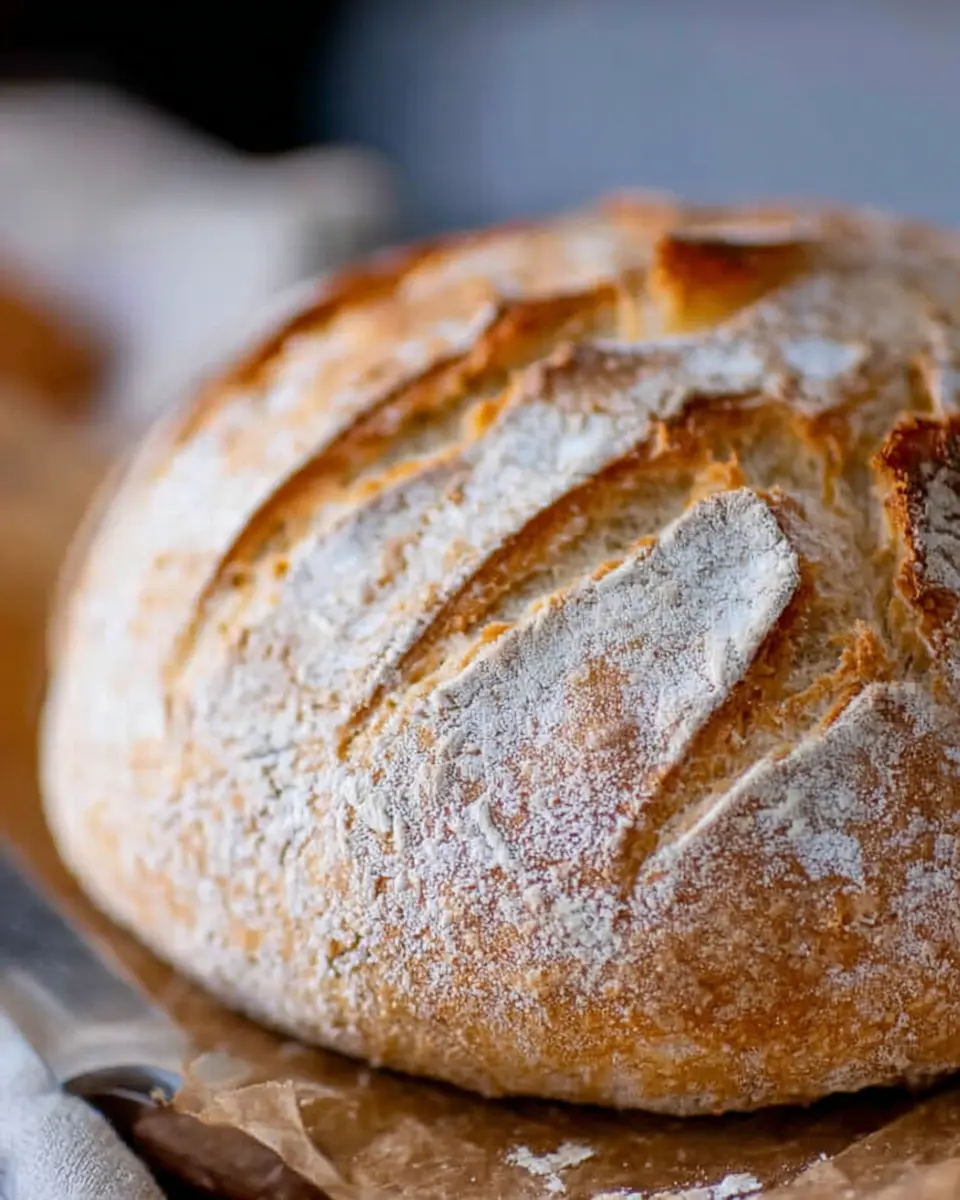
Ingredients for Beginner's Sourdough Bread
When crafting your beginner’s sourdough bread recipe, having the right ingredients is key to achieving that delectable, crusty loaf you crave. Here’s a simple guide to get you started!
Essential ingredients you'll need
To create the foundational flavors and textures of sourdough, gather these essential ingredients:
- All-Purpose Flour: 475 grams (about 3 ½ cups)—this will help create the structure of your bread.
- Sourdough Starter: 100 grams (½ cup) of an active, bubbly starter that you’ve nurtured and fed beforehand.
- Water: 325 grams (approximately 1 ⅓ cups)—using filtered or room temperature water is best.
- Salt: 10 grams (2 teaspoons)—this not only enhances flavor but also strengthens the dough.
Optional ingredients for personalization
Want to add your unique twist? Consider these optional ingredients:
- Whole Wheat Flour: Substitute some all-purpose flour for whole wheat to enhance flavor and nutrition.
- Seeds or Nuts: Chia seeds, sunflower seeds, or walnuts can offer delightful texture and taste.
- Herbs: Fresh or dried herbs such as rosemary or thyme can elevate your sourdough to a whole new level.
Don't hesitate to experiment—baking is as much about creativity as it is about precision! If you’re looking for a more detailed guide, check out The Perfect Loaf for expert tips. Happy baking!
Step-by-step Preparation of Beginner's Sourdough Bread
Making your own sourdough bread is a rewarding journey. Follow these steps to create your delicious, crusty loaf following our beginner’s sourdough bread recipe.
Get your sourdough starter ready
Before you even think about mixing flour and water, make sure your sourdough starter is active, bubbly, and ready to go. Feed it about 4-12 hours prior, ensuring it's at its peak activity. If you're unsure whether your starter is ready, try the float test: drop a spoonful of it into water; if it floats, you’re good to go!
Mix ingredients in a large bowl
In a large bowl, combine 325 grams of warm water, 100 grams of your active starter, 10 grams of salt, and 475 grams of all-purpose flour. Use a wooden spoon or even your hands to mix until everything is just combined. The dough will look shaggy—that’s perfectly fine!
Hydrate the flour and let it rest
Cover the bowl with a lid or plastic wrap and let it sit for 30 minutes. This brief rest period allows the flour to absorb the water, resulting in better dough structure later.
Stretch and fold technique explained
After the resting period, it's time to develop your dough’s strength with the stretch and fold technique. Grab one edge of the dough, stretch it upward, and fold it back into the center. Turn the bowl a quarter turn and do it again. Repeat this process four times, completing one full round. Allow the dough to rest for another half-hour and perform two more rounds of stretching and folding.
Bulk fermentation – understanding the process
Now, cover the dough with a damp towel and let it rise in a warm place until it doubles in size. This can take anywhere from 6-12 hours, depending on your kitchen's temperature. Keep an eye on it—over-fermentation can lead to a flat loaf.
Shaping the dough for success
Once your dough has bulked, it’s time to shape it. Lightly flour your work surface, place the dough onto it, and fold it inwards to form a ball. For better oven spring, create surface tension by pinching the seams together. Place this seam side up in a floured banneton or bowl lined with a floured tea towel.
The overnight rise options
You can choose between an overnight rise in the fridge for 12-15 hours or a shorter room temperature rise of about 3-4 hours. The fridge method enhances flavors and makes scoring the dough easier.
Preparing to bake with the Dutch oven
Preheat your Dutch oven to 500°F for about an hour before baking. Right before placing the dough in, dust it with flour and score it—a razor blade works wonders for this!
Scoring and final baking tips
Carefully transfer the dough on parchment into your hot Dutch oven. Bake it covered for 20 minutes before removing the lid and reducing the temperature to 475°F. Bake for another 15-25 minutes until it's golden brown and crusty.
Enjoy your journey into sourdough baking! Maybe consider bookmarking this beginner’s sourdough bread recipe for future baking adventures or sharing it with friends who are eager to learn too.
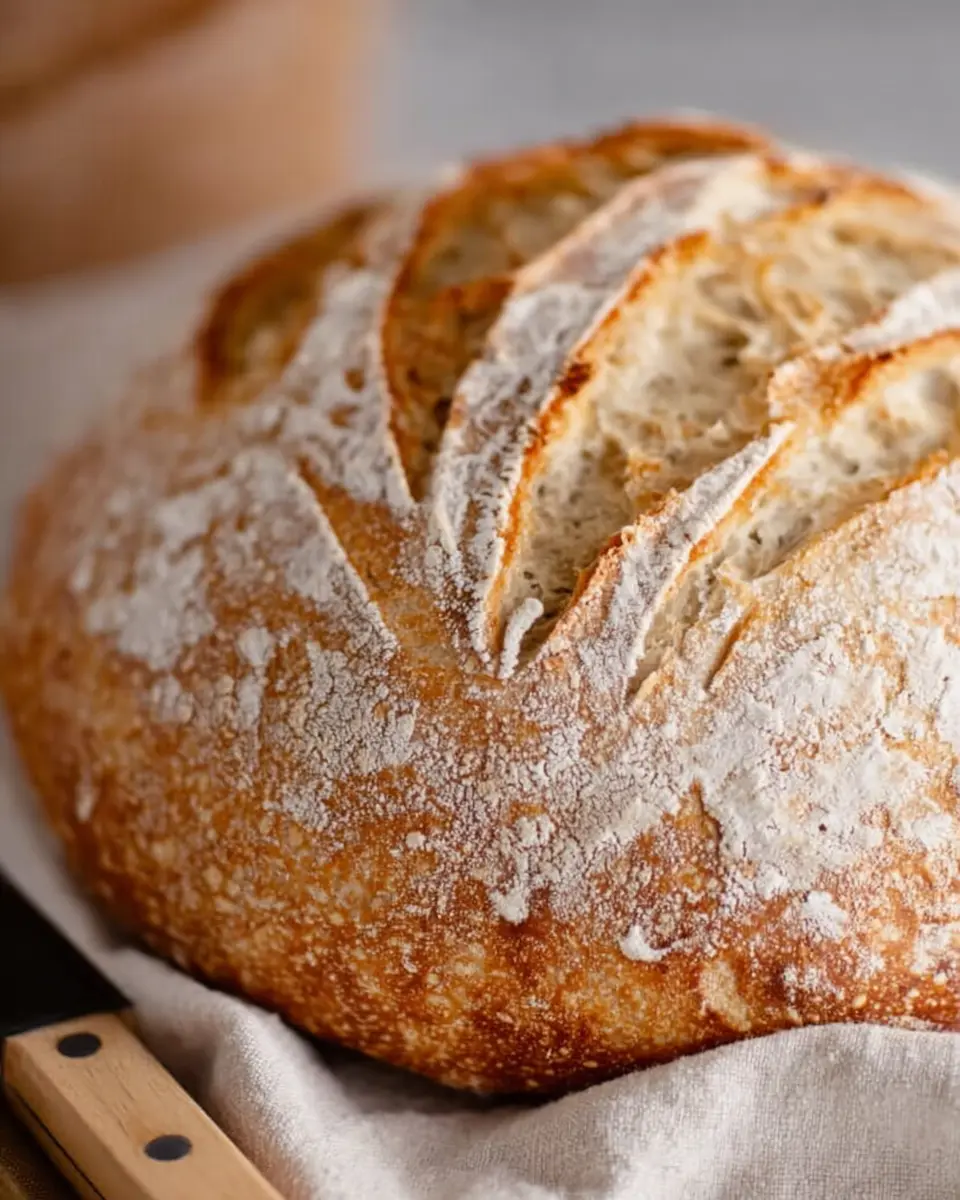
Variations on Beginner's Sourdough Bread
Exploring variations of your beginner’s sourdough bread recipe can make the baking experience even more enjoyable and personalized. Here are a couple of ideas to get those creative juices flowing!
Adding Herbs and Spices for Flavor
Boost the flavor profile of your bread by mixing in chopped fresh herbs like rosemary or thyme. A teaspoon of garlic powder or onion powder can also invigorate your dough. Experimenting with spices such as cumin or smoked paprika brings a unique twist—perfect for pairing with a hearty soup! Simply add herbs or spices at the same time as your flour for an even distribution.
Incorporating Fruits or Nuts for Texture
For an extra crunch or a hint of sweetness, consider folding in nuts or dried fruits, like walnuts or cranberries. This not only enhances the texture but also elevates the flavor of your bread. Just keep in mind to chop larger ingredients into smaller pieces for even distribution! Adding this little touch can make your beginner’s sourdough bread a delightful accompaniment to cheese or a comforting breakfast choice.
Feel free to get creative and make these variations your own!
Cooking Tips and Notes for Beginner's Sourdough Bread
Troubleshooting Common Issues
Every baking journey has its hiccups! If your bread doesn’t rise, it could be an inactive starter. Ensure it has been fed properly and passes the float test. If your crust isn’t crusty, try baking longer or using steam in the oven. Remember, patience is key—sourdough often improves with practice.
Best Practices for Maintaining Your Starter
A healthy starter is the heart of any beginner’s sourdough bread recipe. Feed it regularly—ideally every 12 hours—and keep it in a warm spot. Store it in the fridge if you need a break between bakes, and feed it a day before using it. For detailed starter care, check out King Arthur Baking. Your future loaves will thank you!
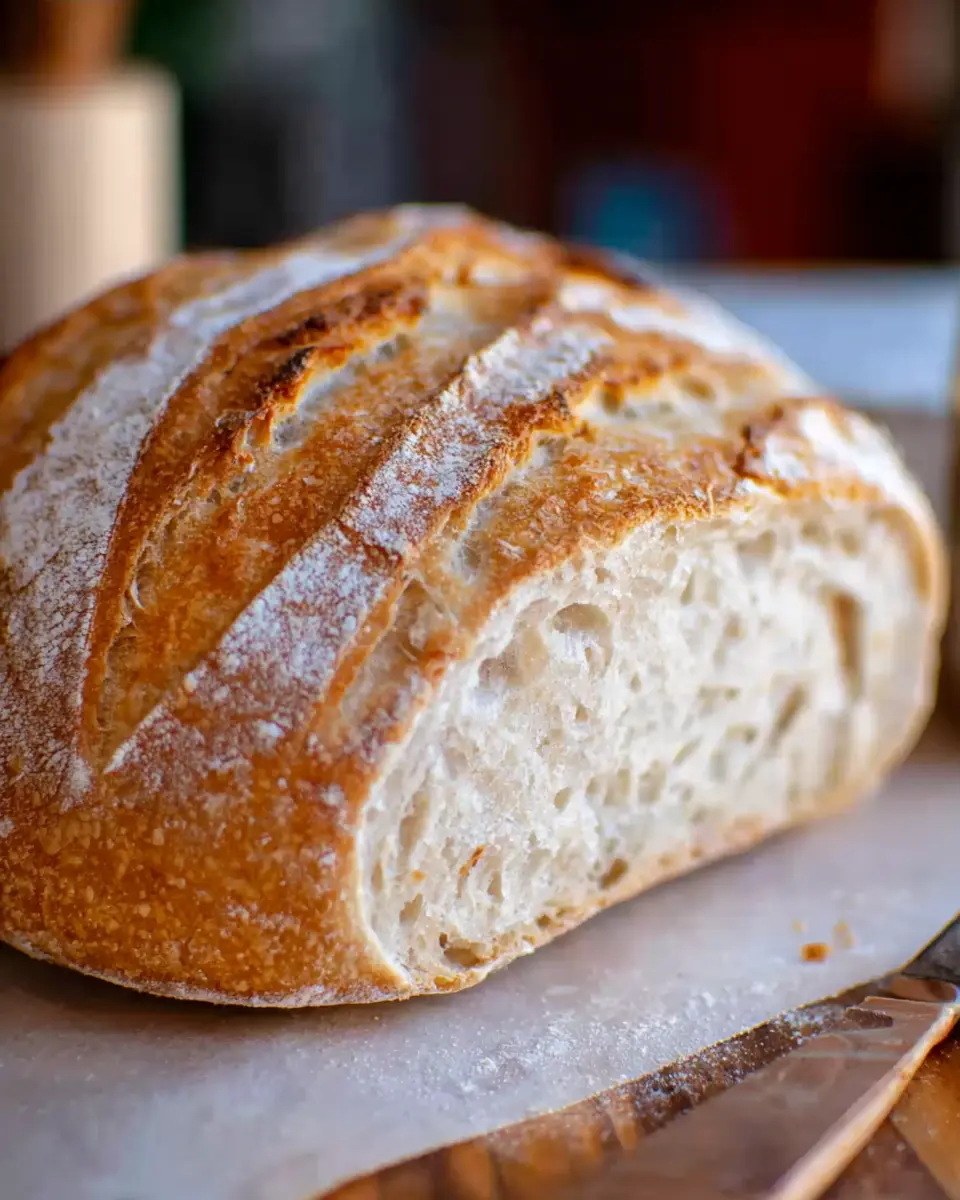
Serving Suggestions for Beginner's Sourdough Bread
Enjoying it fresh out of the oven
There's nothing quite like tearing into a loaf of freshly baked sourdough bread. The crust crackles as you slice, revealing a soft, warm interior. Spread a generous layer of butter on each slice for a simple, delicious treat, or serve with homemade soups or stews, where its hearty texture complements the richness of your meal beautifully.
Pairing suggestions for different meals
When it comes to meal pairings, your beginner’s sourdough bread recipe shines in a variety of contexts. Consider these options:
- Breakfast: Top with scrambled eggs, avocado, or turkey bacon for a hearty start to your day.
- Lunch: Make a classic sandwich with chicken ham and fresh greens, or enjoy a slice with a side salad.
- Dinner: Serve alongside grilled veggies or a savory stew to soak up all those delicious juices.
Experiment with your favorite spreads, dips, or toppings, and let your creativity flourish!
Time Breakdown for Beginner's Sourdough Bread
Prep Time
The prep time for this beginner’s sourdough bread recipe is about 2 hours. This includes everything from mixing your ingredients to allowing the dough to rest and undergo the critical stretch and fold process.
Cook Time
The cooking portion only takes 40 minutes. This includes both the time you bake the bread with the lid on, and the final baking stage where your loaf turns golden brown and crusty.
Total Time
All in all, you’re looking at a total time of approximately 22 hours. This lengthy duration includes the overnight rise in the fridge, which is essential for developing flavor and texture. While the wait may feel long, the final product will make it all worthwhile!
Nutritional Facts for Beginner’s Sourdough Bread
Calories per Serving
Each slice of this delightful beginner’s sourdough bread recipe contains approximately 152 calories. Perfect for a hearty sandwich or toast with your favorite spreads, this bread allows you to enjoy each bite without worry.
Key Nutritional Components
This sourdough bread packs in some essential nutrients, including:
- Carbohydrates: 32g – a great source of energy.
- Protein: 4g – for that muscle support.
- Fat: 0.4g – minimal and primarily unsaturated.
- Sodium: 325mg – adding a touch of flavor.
- Fiber: 1g – helping with digestion.
By opting for homemade, you get to control the ingredients, ensuring your bread is as wholesome as possible. For a deeper dive into the benefits of sourdough, check out this article on sourdough's health benefits.
Enjoy your baking adventure, and remember, homemade always feels better!
FAQs about Beginner's Sourdough Bread
What should my sourdough starter look like?
Your sourdough starter should be bubbly, frothy, and have prominent bubbles on the surface. It should have approximately doubled in volume after feeding, indicating it's ready for your beginner’s sourdough bread recipe. A sweet, slightly tangy aroma is also a good sign! If it’s thick, you can add a bit more water during feeds to help maintain the right consistency.
Can I use whole wheat flour?
Absolutely! You can use whole wheat flour for a more nutty flavor and added nutrition in your sourdough. Just remember that whole wheat flour can absorb more water, so you might need to adjust the hydration in your dough. Consider mixing it with all-purpose flour for a balanced texture.
How do I store my sourdough bread?
To keep your sourdough bread fresh, store it in a paper bag at room temperature for short-term use. If you don’t plan to eat it within a couple of days, slice it and freeze it in an airtight bag. Voilà – fresh sourdough bread whenever you want! For more tips on storing bread, check out these bread storage guidelines.
Conclusion on Beginner's Sourdough Bread Recipe
Mastering the beginner’s sourdough bread recipe is a rewarding journey. The combination of time, patience, and simple ingredients yields bread that's not only delicious but also a great introduction to sourdough baking. Enjoy the process, and soon you'll create loaves that impress friends and family alike. Happy baking!
Beginner’s Sourdough Bread Recipe
Equipment
- Dutch oven
- mixing bowl
- wooden spoon
- parchment paper
- Banneton or bowl
Ingredients
- 475 grams all-purpose flour 3 ½ cups
- 100 grams starter active and bubbly (½ cup)
- 325 grams water 1 ⅓ cups
- 10 grams salt 2 teaspoons
Instructions
- Feed a sourdough starter 4-12 hours before starting the dough, ensuring it is active and bubbly.
- Combine warm water, active starter, salt, and flour with a wooden spoon or just your hands in a large mixing bowl.
- Cover with plastic wrap or a lid and allow to rest for 30 minutes for the water to hydrate the flour.
- Grab the edge of the dough and pull up stretching it out as you pull upwards placing it back in the center. Turn the bowl a quarter turn and complete another stretch and fold. Repeat two more times.
- Thirty minutes later, complete another round of stretch and folds. Cover and allow the dough to rest another 30 minutes.
- Complete one last stretch and fold round.
- Cover with a lid, damp towel, or plastic wrap and let the dough bulk ferment in a warm place until it has doubled in size, 6-12 hours.
- Place the dough on a clean work surface that has been lightly dusted with flour. Fold the dough onto itself, roll up, and shape into a ball.
- Optional: Let the dough sit out for 15-20 minutes uncovered.
- Turn over and shape by folding the two sides to the middle and pinching together.
- Transfer to a floured banneton or bowl with a floured tea towel seam side up.
- Cover with plastic or place in a bag and tie the ends. Let the dough rest for 12-15 hours in the refrigerator.
- Preheat a dutch oven to 500 degrees for 1 hour.
- Remove dough from the fridge right before baking and place on parchment paper.
- Dust with flour if desired and score with a lame or razor blade.
- Carefully transfer parchment paper with the dough into the hot dutch oven.
- Place the lid back on and bake for 20 minutes.
- Remove the lid, turn oven temperature down to 475, and bake an additional 15-25 minutes until golden brown.




Leave a Reply