
Introduction to Frittatas
What is a frittata and why is it a great meal option?
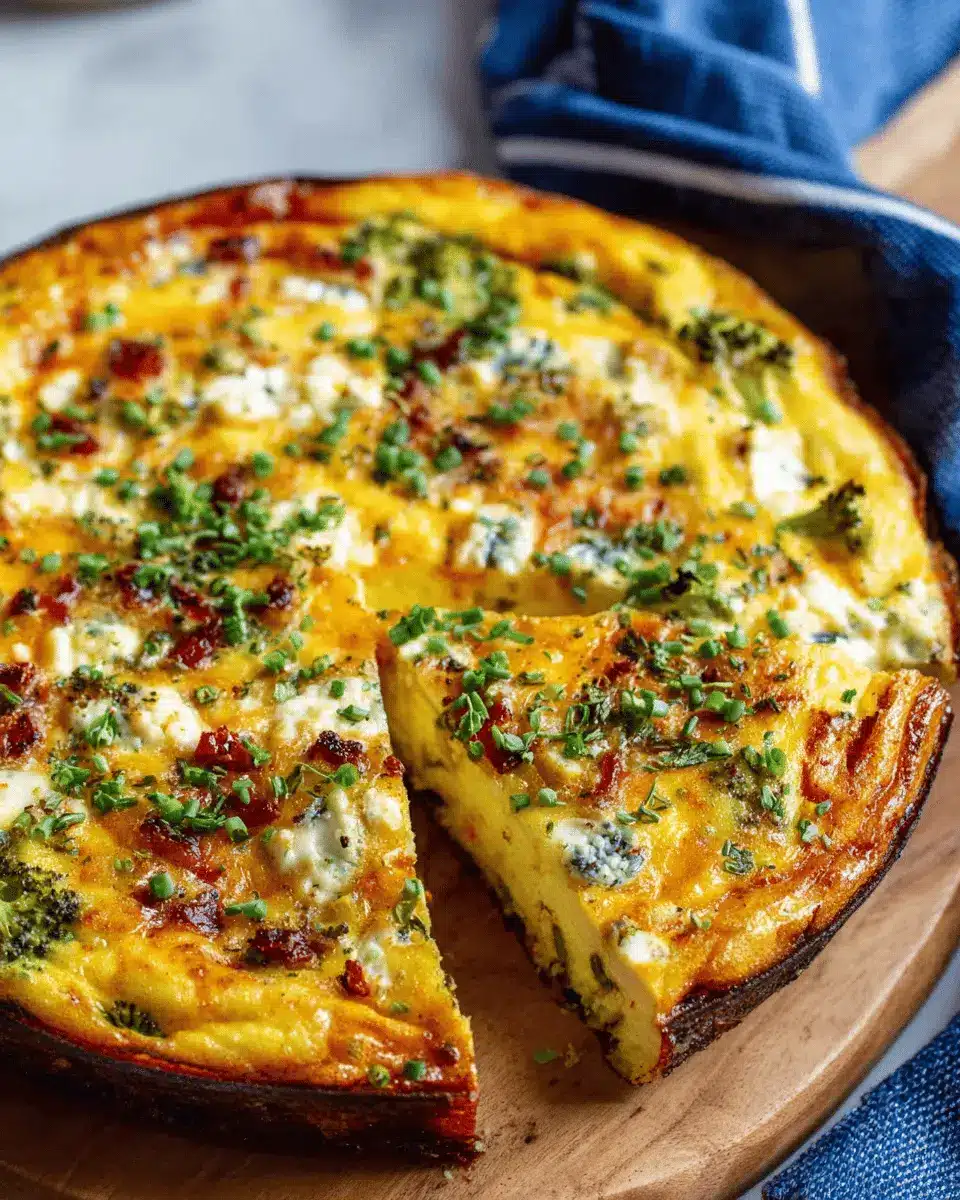
A frittata is a versatile Italian dish that combines eggs with various ingredients, such as vegetables, meats, and cheeses, to create a hearty meal. Often compared to omelets or quiches, frittatas are essentially baked eggs that are easy to prepare and can be served at any time of the day. They’re perfect for brunch or a quick weeknight dinner and can be cooked ahead of time for meal prep.
Why consider a frittata recipe? First and foremost, it's a fantastic way to use up leftover ingredients. Got some wilting veggies or extra cheese in the fridge? Toss them into your frittata! Plus, it’s a healthy option packed with protein and can accommodate various dietary preferences—all while being incredibly satisfying. In fact, studies show that egg-based meals can keep you feeling fuller longer, which can be a valuable benefit for busy young professionals.
Furthermore, the cooking process is quite forgiving. You don’t need to be a culinary expert to whip up a delicious frittata. All you need is a cast iron skillet, a few fresh ingredients, and about thirty minutes! Whether you prefer a classic combination or want to try one of the five variations we’ve included, you’ll quickly discover that frittatas are not only delicious but also a delightful way to express your creativity in the kitchen.
Looking for more inspiration? Check out this guide on healthy meal prep to see how to organize your meals effectively while minimizing waste.
Ingredients for Your Frittata
When it comes to creating an easy and delicious frittata recipe, having the right ingredients is key. Thankfully, a frittata can be customized to suit your taste, making it a versatile option for any meal of the day.
Essential Ingredients for the Basic Frittata
To whip up a basic frittata, you’ll need:
- 6 large eggs (8 for a 12-inch skillet)
- ¼ cup unsweetened almond milk (or your milk of choice)
- 2 minced garlic cloves
- ¼ teaspoon sea salt, plus more to taste
- Freshly ground black pepper
- A drizzle of extra-virgin olive oil
With this foundation, you can easily elevate your dish by exploring various flavor profiles. For more ideas on how to mix things up, check out these popular frittata variations.
Ingredients for Five Delightful Variations
Once you’ve mastered the basic frittata, why not try one of these five delicious variations?
- Broccoli Feta: Scallions, chopped broccoli, smoked paprika, and crumbled feta.
- Roasted Red Pepper & Spinach: Shallot, roasted red bell peppers, fresh spinach, and more feta.
- Spring Veggie: Spring onions, asparagus, peas, mozzarella balls, and fresh herbs like tarragon or chives.
- Mixed Mushroom & Tarragon: A blend of shallots, mixed mushrooms, chopped tarragon, and pecorino cheese.
- Caprese: Shallots, cherry tomatoes, mozzarella pearls, and fresh basil.
Experimenting with these ingredients can lead to endless delicious possibilities!
Step-by-Step Preparation of Frittatas
Frittatas are a fantastic way to embrace your culinary creativity while whipping up a nutritious meal. Whether you're serving a crowd or just treating yourself, this frittata recipe is straightforward and versatile. Here’s how to prepare it step-by-step so you can impress around the breakfast table or brunch gatherings.
Step 1: Gather Your Kitchen Tools
Before we dive into the cooking process, let's ensure you have the right tools at your disposal. You’ll need:
- A 10-inch cast iron skillet (or a 12-inch if you’re using more eggs)
- A mixing bowl
- A whisk
- A spatula
- Measuring cups and spoons
These tools will make your frittata-making experience smooth and enjoyable. A cast iron skillet offers even heating and perfect browning—essential for a delectable frittata.
Step 2: Prepare the Egg Mixture
Start by cracking 6 large eggs into your mixing bowl (or 8 for a 12-inch skillet). Add in ¼ cup of unsweetened almond milk (or any milk you prefer), 2 minced garlic cloves, ¼ teaspoon of sea salt, and some freshly ground black pepper. Whisk everything together until it's well combined and frothy. This mixture will serve as the base for your delicious creation!
Step 3: Cook the Vegetables
Now, let’s bring flavor to life. Choose your favorite vegetable variation from the list provided earlier. Heat about 1 tablespoon of extra-virgin olive oil in your cast iron skillet over medium heat. Add your chopped vegetables along with a pinch of salt and pepper. Sauté until they're tender and aromatic—this generally takes about 5 to 8 minutes, depending on the veggies you’ve selected. The smoked paprika in the broccoli frittata variation, for example, adds a lovely depth.
Step 4: Combine Everything in the Skillet
Once your veggies are cooked, it’s time to bring in the egg mixture. Gently pour the egg mixture over the sautéed vegetables in the skillet, using a spatula to ensure everything is evenly distributed. This step is crucial; you want the eggs to encase your colorful veggies thoroughly. If you’re using cheese in your variation, sprinkle it on top now.
Step 5: Bake to Perfection
Preheat your oven to 400°F if you haven’t already. Transfer the skillet to the oven once your mixture is ready. Bake for 15 to 20 minutes, or until the eggs are fully set and slightly golden on top. You’ll know it’s done when you can insert a toothpick and it comes out clean!
Let the frittata cool slightly before slicing it into wedges. Enjoy it hot or at room temperature for a delightful meal anytime. Feel free to explore different variations—after all, creativity is part of the fun of making this versatile frittata!
For some inspiration, you might check out popular culinary sites like Serious Eats or Bon Appétit for additional tips and variations. Happy cooking!
Variations of Frittatas
Broccoli Feta Frittata
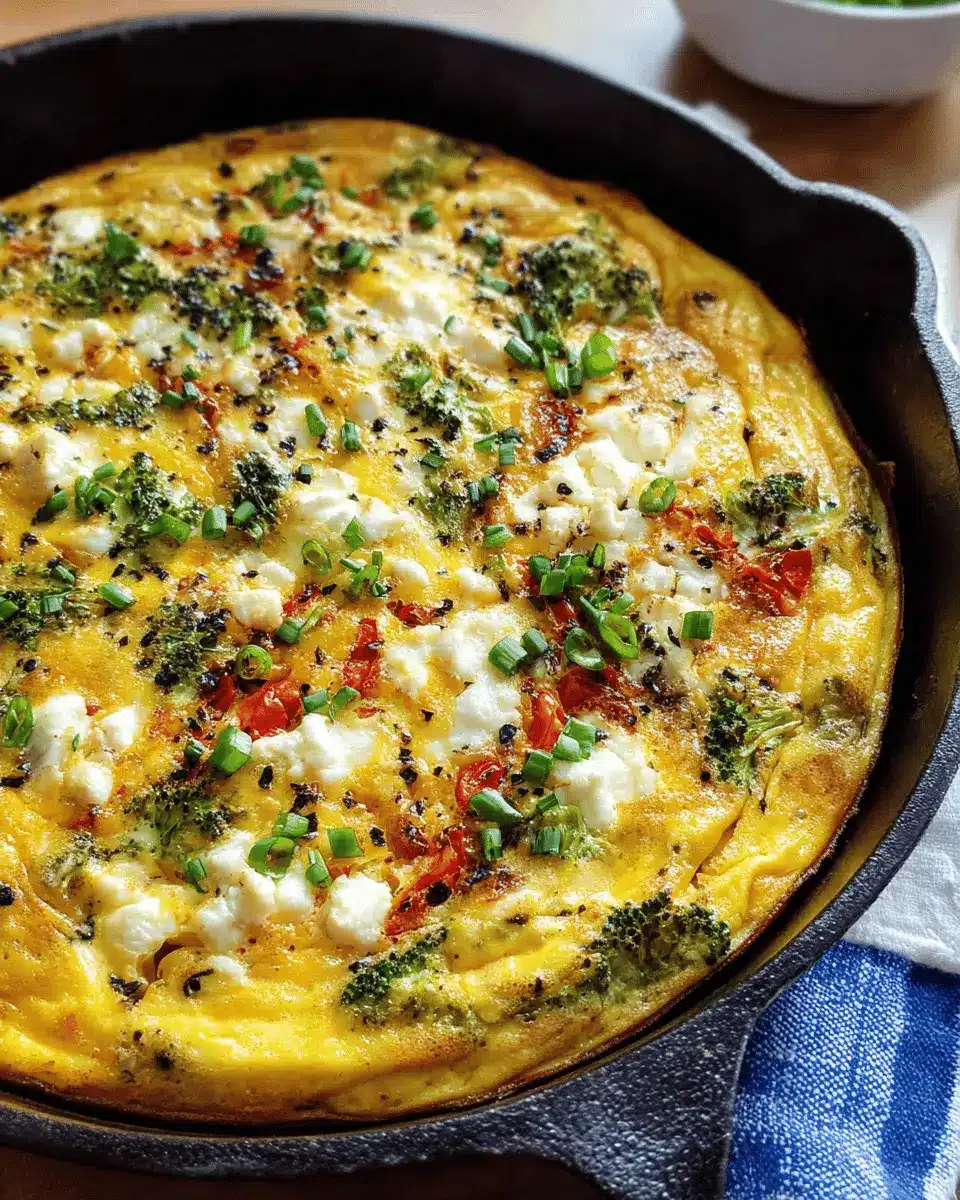
This delightful frittata features tender broccoli and creamy feta cheese, making it a perfect choice for a healthy breakfast. Simply sauté scallions and broccoli, then pour in your egg mixture and bake until set. The smoked paprika adds a hint of warmth that ties it all together.
Roasted Red Pepper & Spinach Frittata
Elevate your morning with the vibrant flavors of roasted red peppers and fresh spinach. Sauté shallots, combine with the veggies, and pour the egg mixture over them. Topped with feta, this frittata is as colorful as it is delicious!
Spring Veggie Frittata
Celebrate fresh produce with a medley of spring onions, asparagus, and peas. The addition of mini mozzarella balls and herbs like tarragon or chives makes this frittata feel like a garden on a plate—a perfect fit for springtime brunch.
Mixed Mushroom & Tarragon Frittata
Mushroom lovers will adore the umami-rich flavors of this frittata. Using a mix of mushrooms and fragrant tarragon, it brings depth to the classic egg base. This frittata pairs beautifully with a simple side salad for a light, fulfilling meal.
Caprese Frittata
If you can’t get enough of the classic Caprese flavors, this frittata is for you! Juicy tomatoes, fresh basil, and creamy mozzarella create a delectable dish enjoyed hot or at room temperature. Drizzle with a touch of olive oil for an extra burst of flavor.
With these variations, you can easily customize your frittata recipe to suit your taste or the ingredients you have on hand!
Cooking Tips and Notes for Frittatas
Best cookware for frittatas
For a delicious frittata, an enameled cast iron skillet is your best friend. It evenly distributes heat and ensures a beautiful crust while keeping the inside fluffy. Plus, it’s perfect for transitioning from stovetop to oven!
How to get the perfect texture
The secret to achieving that light and airy texture lies in your egg mixture. Whisk the eggs well with milk until fully blended, incorporating air for fluffiness. Avoid overcooking; bake just until the eggs are set—around 15-20 minutes at 400°F. For additional tips, check out Serious Eats for expert advice on perfecting your frittata!
Experiment with different veggies or cheeses for a flavor-packed dish that suits your taste buds—enjoy!
Serving Suggestions for Frittatas
Ideal Side Dishes and Garnishes
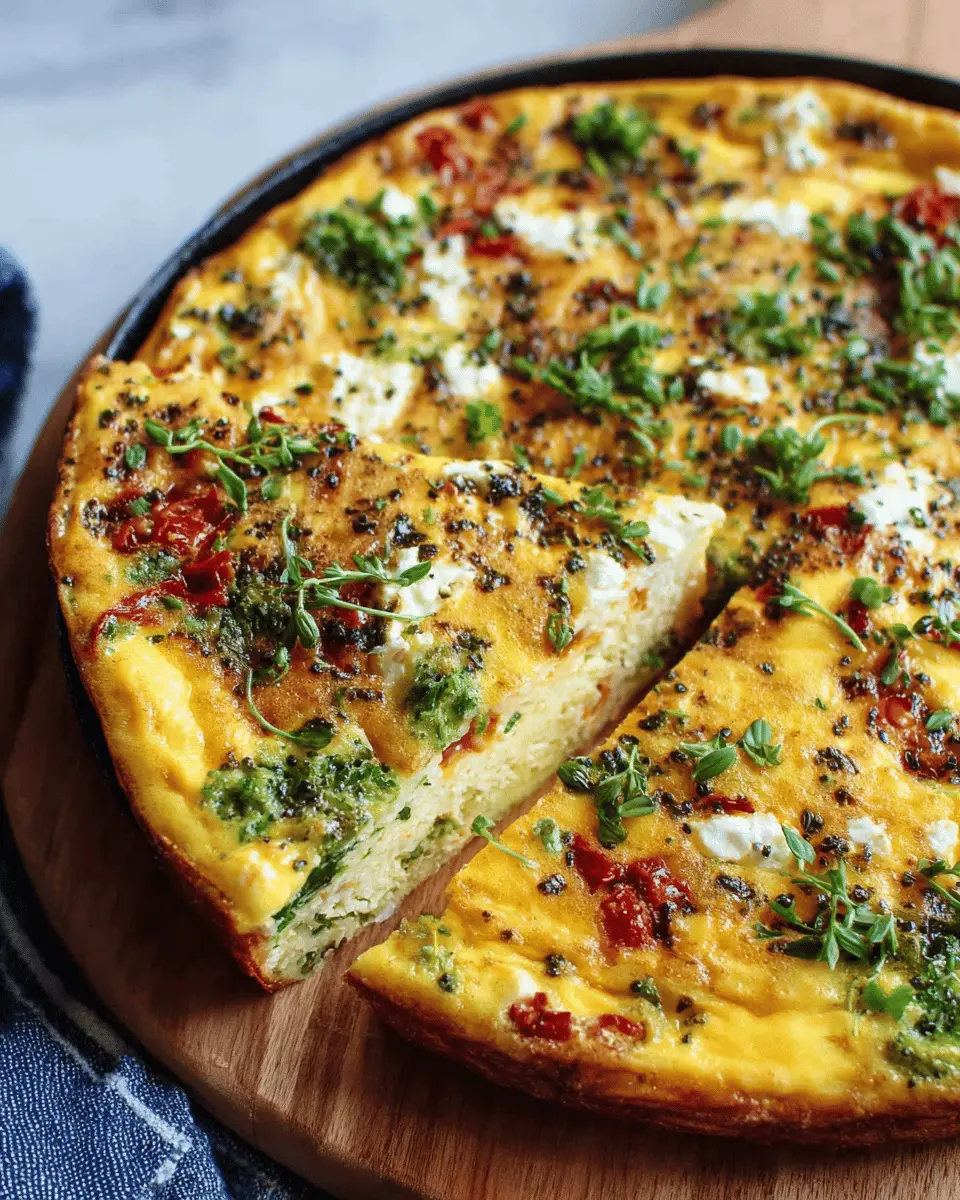
Pair your frittata recipe with light and fresh sides to create a well-rounded meal. Consider serving it with a vibrant mixed green salad tossed in a simple vinaigrette for a refreshing crunch. You can also enjoy it alongside roasted sweet potatoes or toasted whole-grain bread for hearty options. Feel free to top your frittata with fresh herbs like parsley or chives, a spoonful of sour cream, or a drizzle of hot sauce for an extra kick!
Frittatas for Breakfast, Lunch, or Dinner
One of the best things about frittatas is their versatility! These delightful egg dishes can easily transition from a delicious breakfast to a satisfying lunch or even a light dinner. Try serving slices with a side of turkey bacon for breakfast, or enjoy a generous wedge with a vegetable-heavy salad at lunch. For dinner, pair frittatas with grilled veggies or a warm quinoa salad for a complete meal. There are endless possibilities to explore!
Time Breakdown for Frittatas
Preparation time: 5 minutes
Start by gathering your ingredients and preheating the oven. This quick prep ensures everything flows smoothly.
Cooking time: 25 minutes
Your frittata will bake to golden perfection in about 20 minutes, plus a few extra minutes on the stovetop to sauté your chosen fillings.
Total time: 30 minutes
In just half an hour, you'll have a delicious, hearty frittata recipe ready to impress your friends or family. Quick, easy, and oh-so-satisfying!
For more quick tips on meal prep, check out this resource on efficient cooking. And remember, a frittata is a versatile dish—while this recipe serves 3 to 4, feel free to double the ingredients for a larger gathering!
Nutritional Facts for Frittatas
Caloric Breakdown
A serving of a basic frittata recipe averages about 170 to 200 calories, depending on your chosen ingredients. Most of the calories come from the eggs, making this dish a satisfying yet balanced option for breakfast or brunch. If you're looking to reduce calorie intake, consider using fewer eggs or substituting some with egg whites.
Key Nutrients and Benefits
Frittatas are packed with essential nutrients, making them a wholesome meal choice:
- Protein: Eggs provide high-quality protein, crucial for muscle repair and maintenance.
- Vitamins: They're rich in vitamins A, D, and B12, supporting immune function and bone health.
- Minerals: Ingredients like spinach or mushrooms add potassium, magnesium, and iron, vital for overall vitality.
These nutrient-dense variations can fit various dietary needs, from vegetarian options to those seeking extra protein. For more detailed nutritional insights, you can explore resources like the USDA National Nutrient Database.
Ultimately, frittatas are versatile and can be tailored to your taste and nutritional goals, making them a perfect dish for busy professionals on the move. Have you tried experimenting with different veggies or cheeses in your frittata?
FAQs about Frittatas
Can I use egg substitutes in my frittata?
Absolutely! If you're looking for a healthier alternative or have dietary restrictions, you can easily substitute eggs with alternatives like silken tofu or chickpea flour. These options can provide that nice, fluffy texture that makes a great frittata recipe. Just blend your chosen substitute with a bit of water and seasoning to mimic the egg mixture.
How do I store leftover frittatas?
Storing your leftover frittata is straightforward. Allow it to cool completely, then cover it tightly with plastic wrap or transfer it to an airtight container. You can store it in the refrigerator for up to 3-4 days. For longer storage, consider freezing slices wrapped individually. Just thaw them in the fridge before reheating for a quick meal!
Can I customize my frittata for dietary preferences?
Certainly! One of the great appeals of frittatas is their versatility. Whether you're vegan, gluten-free, or watching your cholesterol, you can easily adjust ingredients to meet your dietary needs. Adding vegetables, herbs, and alternative cheeses can elevate your dish to suit any preference. Don’t be afraid to experiment with flavors to create your perfect frittata!
For more tips and ideas, check out Healthline's guide to egg substitutes and explore various dietary adaptations.
Conclusion on Frittatas
Why frittatas are a smart choice for homemade meals
Frittatas are a fantastic option for homemade meals, offering versatility and a balance of nutrition. They’re easy to make, perfect for using up leftover veggies, and can be customized to suit various tastes. So next time you're in the kitchen, remember this simple frittata recipe! Happy cooking!

Frittata Recipe, plus 5 Variations
Equipment
- 10-Inch Cast Iron Skillet
Ingredients
Basic Frittata Ingredients
- 6 large eggs Use 8 eggs for a 12-inch skillet
- 0.25 cup unsweetened almond milk or any milk
- 2 cloves garlic minced
- 0.25 teaspoon sea salt more for sprinkling
- Freshly ground black pepper
- Extra-virgin olive oil for drizzling
Variation #1: Broccoli Feta
- 6 scallions chopped
- 2 cups chopped broccoli or broccolini
- 0.125 teaspoon smoked paprika
- 0.25 cup crumbled feta cheese
Variation #2: Roasted Red Pepper & Spinach
- 1 shallot chopped
- 2 roasted red bell peppers chopped
- 2 cups spinach
- 0.33 cup crumbled feta cheese
Variation #3: Spring Veggie
- 4 spring onions or scallions, chopped
- 0.5 cup chopped asparagus tender parts
- 0.5 cup frozen peas thawed
- 0.5 cup halved mini mozzarella balls
- 0.25 cup crumbled feta cheese
- 0.25 cup chopped tarragon or chives
Variation #4: Mixed Mushroom & Tarragon
- 1 shallot chopped
- 12 ounces mixed mushrooms chopped
- 0.25 cup chopped tarragon
- 0.33 cup grated pecorino cheese
Variation #5: Caprese
- 1 shallot chopped
- 2 cups halved cherry tomatoes
- 0.75 cup halved mini mozzarella balls
- 0.5 cup sliced fresh basil leaves
Instructions
Preparation
- Preheat the oven to 400°F.
- Whisk the eggs, almond milk, garlic, and salt until well combined. Set aside.
- Choose a vegetable variation. Follow the corresponding instructions to make it.
Broccoli Feta
- Heat 1 tablespoon olive oil in a 10 or 12-inch cast-iron skillet over medium heat. Add the scallions, broccoli, and a pinch of salt and pepper and cook, stirring occasionally, until the broccoli is tender but still bright green, 5 to 8 minutes.
- Stir in the smoked paprika, then add the egg mixture and gently shake the pan to distribute. Sprinkle with the feta and bake 15 to 20 minutes or until the eggs are set. Season to taste and serve.
Roasted Red Pepper & Spinach
- Heat ½ tablespoon olive oil in a 10 or 12-inch cast-iron skillet over medium heat. Add the shallot, and a pinch of salt and pepper and cook until translucent, about 5 minutes.
- Add the roasted red peppers and spinach. Sauté until the spinach is wilted, then add the egg mixture and gently shake the pan to distribute. Sprinkle with the feta and bake 15 to 20 minutes or until the eggs are set. Season to taste and serve.
Spring Veggie
- Heat ½ tablespoon olive oil in a 10 or 12-inch cast-iron skillet over medium heat. Add the scallions, asparagus, and a pinch of salt and pepper and cook, stirring occasionally, until the asparagus is tender but still bright green, about 5 minutes.
- Add the peas, then add the egg mixture and gently shake the pan to distribute. Add the mozzarella and feta and bake 15 to 20 minutes or until the eggs are set. Season to taste and serve.
Mixed Mushroom & Tarragon
- Heat 1 tablespoon olive oil in a 10 or 12-inch cast-iron skillet over medium heat. Add the shallot, and a pinch of salt and pepper and cook until beginning to soften, about 3 minutes.
- Add the mushrooms, stir, and cook until soft and tender, about 8 minutes, stirring only occasionally. Stir in the tarragon, then add the egg mixture and gently shake the pan to distribute. Sprinkle with the pecorino and bake 15 to 20 minutes or until the eggs are set. Season to taste and serve.
Caprese
- Heat ½ tablespoon olive oil in a 10 or 12-inch cast-iron skillet over medium heat. Add the shallot, and a pinch of salt and pepper and cook until translucent, about 5 minutes.
- Add the tomatoes, half the basil, stir, then add the egg mixture and gently shake the pan to distribute. Add the mozzarella and bake 15 to 20 minutes or until the eggs are set. Top with the remaining basil. Season to taste and serve.
Leave a Reply