
Introduction to Homemade Bread
There's something magical about the aroma of freshly baked bread wafting through your home, isn’t there? Homemade bread is more than just a recipe; it's the ultimate comfort food that evokes feelings of warmth and nostalgia. Whether it’s for a cozy dinner or a simple snack with butter, there's a deeply satisfying experience in kneading the dough and watching it rise.
Why Homemade Bread is the Ultimate Comfort Food?
Homemade bread has a charm that store-bought varieties simply can’t replicate. When you make your own bread, you control the ingredients—no preservatives or artificial flavorings, just wholesome goodness. According to The Bread Lab, homemade bread not only tastes better but is often healthier too.
Think about it: the first bite of a warm, crusty loaf, with its soft, pillowy interior beckoning you to indulge. It evokes memories of family gatherings and the joy of sharing a meal. Plus, you can customize your loaf by adding your favorite ingredients, like herbs or seeds, making it uniquely yours.
So, why not treat yourself? Dive into our simple homemade bread recipe, and enjoy the comfort that comes from creating something truly special (while also impressing your friends and family). Happy baking!
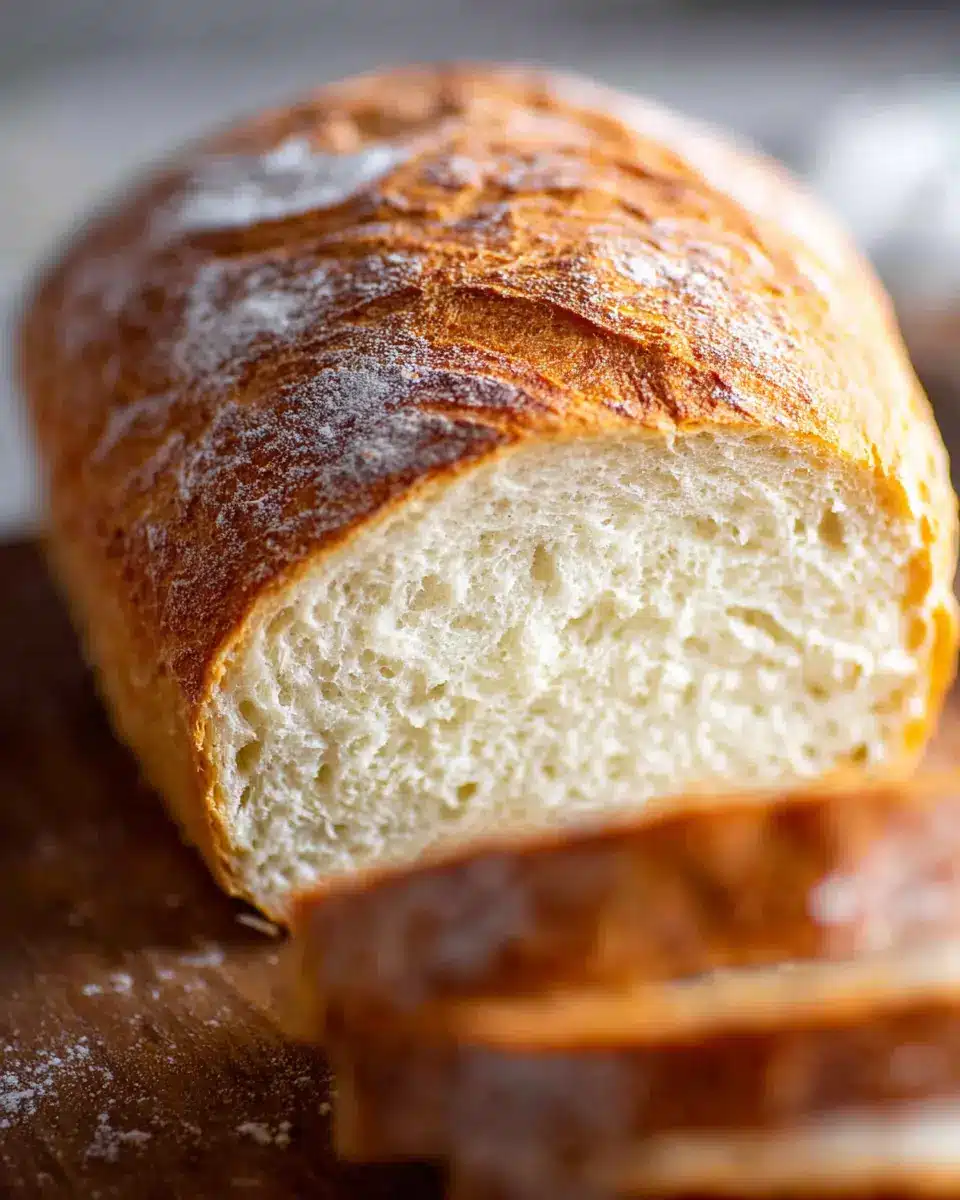
Ingredients for Homemade Bread
Essential pantry ingredients
Making your own homemade bread doesn’t have to be complicated! You only need six essential ingredients that you likely already have stocked in your pantry:
- Warm water (105-115°F): Activates the yeast for a perfect rise.
- Active dry yeast: The key ingredient for fluffy, airy bread.
- Honey or sugar: Adds a hint of sweetness and helps feed the yeast.
- Salt: Enhances the flavor and strengthens the dough.
- Oil (canola or vegetable): Provides richness and keeps the bread tender.
- All-purpose or bread flour: Forms the structure and texture of your loaf.
Optional ingredients for flavor variations
Feel free to get creative! Here are some optional ingredients to elevate your homemade bread:
- Herbs: Add dried rosemary or thyme for an aromatic twist.
- Seeds: Chia or sunflower seeds introduce texture and nutty flavors.
- Cheese: Sprinkle shredded cheese into the dough for a savory delight.
- Nuts: Chopped walnuts or pecans can add crunch and depth.
Experimenting with these flavors can make your homemade bread uniquely yours! If you're interested in more creative ideas, check out the King Arthur Baking blog for inspiration.
Step-by-step Preparation of Homemade Bread
Baking your own homemade bread is not just rewarding, but it's also a fantastic way to infuse your kitchen with delicious aromas. Let’s dive into each step to create the perfect loaf!
Prepare the dough (Proofing the yeast)
Start by measuring out 2 cups of warm water between 105-115°F (that’s about 40-46°C for our Celsius friends). In a large bowl or a stand mixer, sprinkle 1 tablespoon of active dry yeast over the water. Add a pinch of sugar or honey, then let it sit for 5-10 minutes. This magical process, called proofing, ensures your yeast is alive and ready to work its magic. If it doesn't foam up, don't worry—just grab some fresh yeast and try again!
Combine wet and dry ingredients
Once your yeast is bubbly, it’s time to blend the flavors! Add in ¼ cup of honey or sugar, 2 teaspoons of salt, 2 tablespoons of oil, and 3 cups of flour to the bowl. Mix until everything is combined. As you continue, gradually incorporate another cup of flour, mixing until the dough pulls away from the sides of the bowl. The dough should have a slightly sticky consistency—just enough to leave a delicate touch on your finger.
Knead the dough (Mixer vs. by hand)
Now, it’s time to give your dough some love through kneading. If you're using a mixer, set it to medium speed for about 4-5 minutes until perfectly smooth. Prefer the good old-fashioned way? Knead it by hand on a floured surface for 5-8 minutes. This step is crucial as it strengthens the gluten in the flour, resulting in that delightful bread structure we all love.
First rise in a warm environment
Next, grease a large bowl with oil and place your dough inside, turning it to coat all sides. Cover it with a dish towel or plastic wrap and let it rise in a warm spot for about 1.5 hours, or until doubled in size. If you're in a hurry, you can try this tip: preheat your oven to 180°F, turn it off, then place the bowl inside, leaving the door ajar. This cozy environment speeds up rising wonderfully!
Shape the dough and prepare for the second rise
Once your dough has risen beautifully, punch it down to remove excess air. Divide it into two equal portions and shape them into logs for your greased loaf pans. Again, cover them and let them rise for another 45 minutes to an hour, until they’re about 1 inch above the pan. This second rise is key for achieving that airy texture within.
Bake the bread to golden perfection
Preheat your oven to 350°F. After the second rise, bake the loaves for 30-33 minutes or until they’re tantalizingly golden brown on top. The best test? Give the top a gentle tap; it should sound hollow. Once done, let them cool on a wire rack before slicing into your homemade bread. Enjoy the warm, fresh taste that fills your kitchen with comfort!
For more bread tips and variations, check out sources like King Arthur Baking or The Bread Lab. Happy baking!
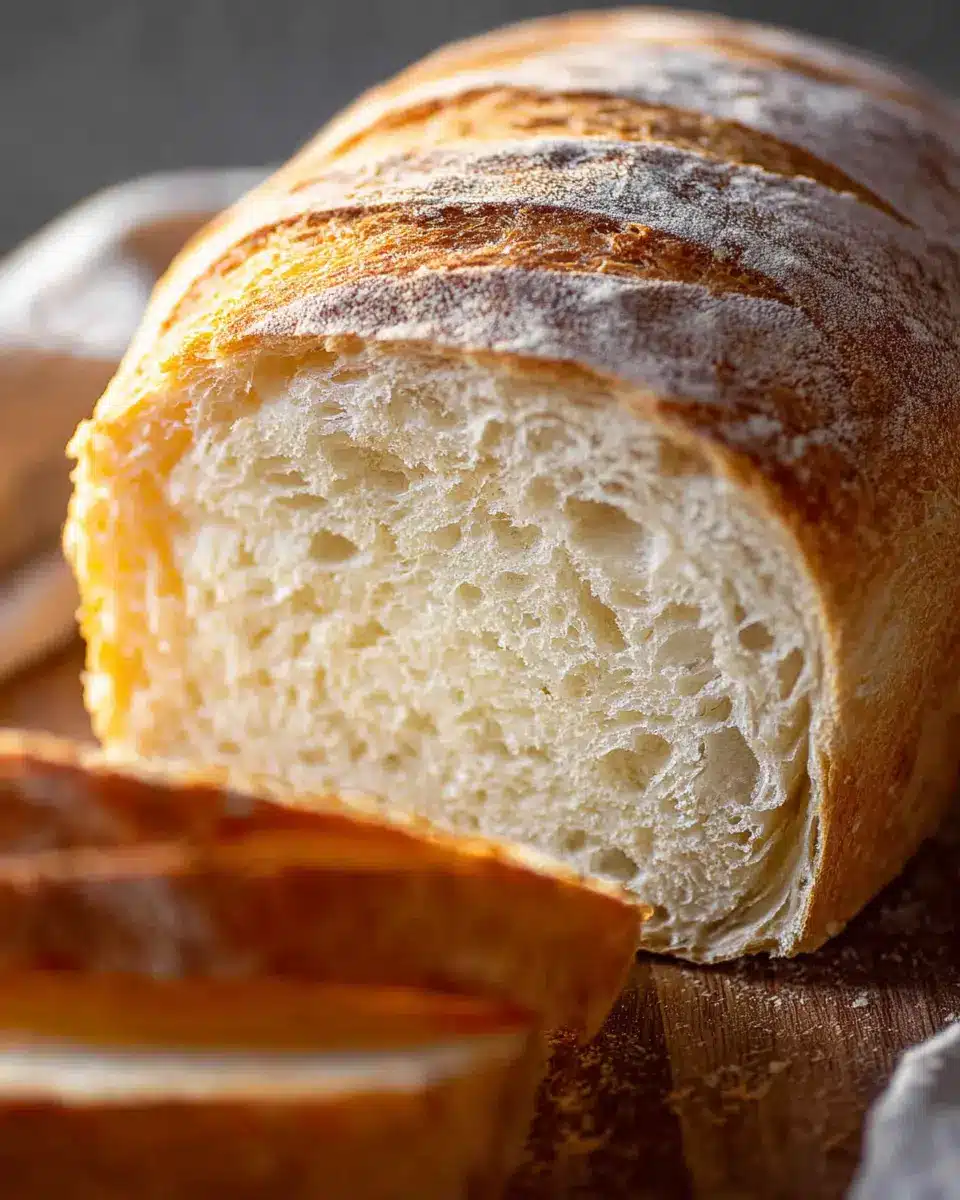
Variations on Homemade Bread
Making homemade bread is not only rewarding but also allows for endless creative possibilities! Here are two delightful variations that will inspire you on your baking journey:
Whole Wheat Homemade Bread
For a healthier twist, consider using whole wheat flour. This variation adds a nutty flavor and boosts the nutritional content with more fiber and protein. You can replace half of the all-purpose flour with whole wheat flour in the original recipe. Just keep in mind that whole wheat flour absorbs more liquid, so you may need to adjust the water content slightly. This warm, hearty loaf pairs wonderfully with yogurt or fresh fruit preserves!
Herb-Infused Homemade Bread
Elevate your homemade bread by adding your favorite herbs! Fresh rosemary, thyme, or basil infuse the dough with aromatic flavors that complement any meal. Simply chop up a tablespoon of your chosen herbs and mix them into the dough during the initial stages. This fragrant bread makes for a perfect side dish for soups or can be used to create delicious sandwiches.
For more tips and variations, check out these resources on baking with whole grains here and infusing flavors into bread here. Happy baking!
Cooking Tips and Notes for Homemade Bread
Key tips for successful baking
Creating the perfect homemade bread can feel like an art! Start with fresh yeast—this is crucial for that delightful rise. Use a thermometer to check water temperature; ideal ranges are between 105-115°F for activating yeast. When you're kneading, aim for a smooth, elastic dough that lightly sticks to your finger. Don’t forget to let it rise in a warm spot; a slightly turned-off oven is ideal!
Common mistakes to avoid
Many bakers struggle with over-kneading or under-kneading. Trust your instincts! Also, resist the urge to add too much flour; this can lead to dense bread. If your dough fails to rise, check if your yeast is alive—always proof it first. Want to explore more about the science of bread making? Check out this baking guide.
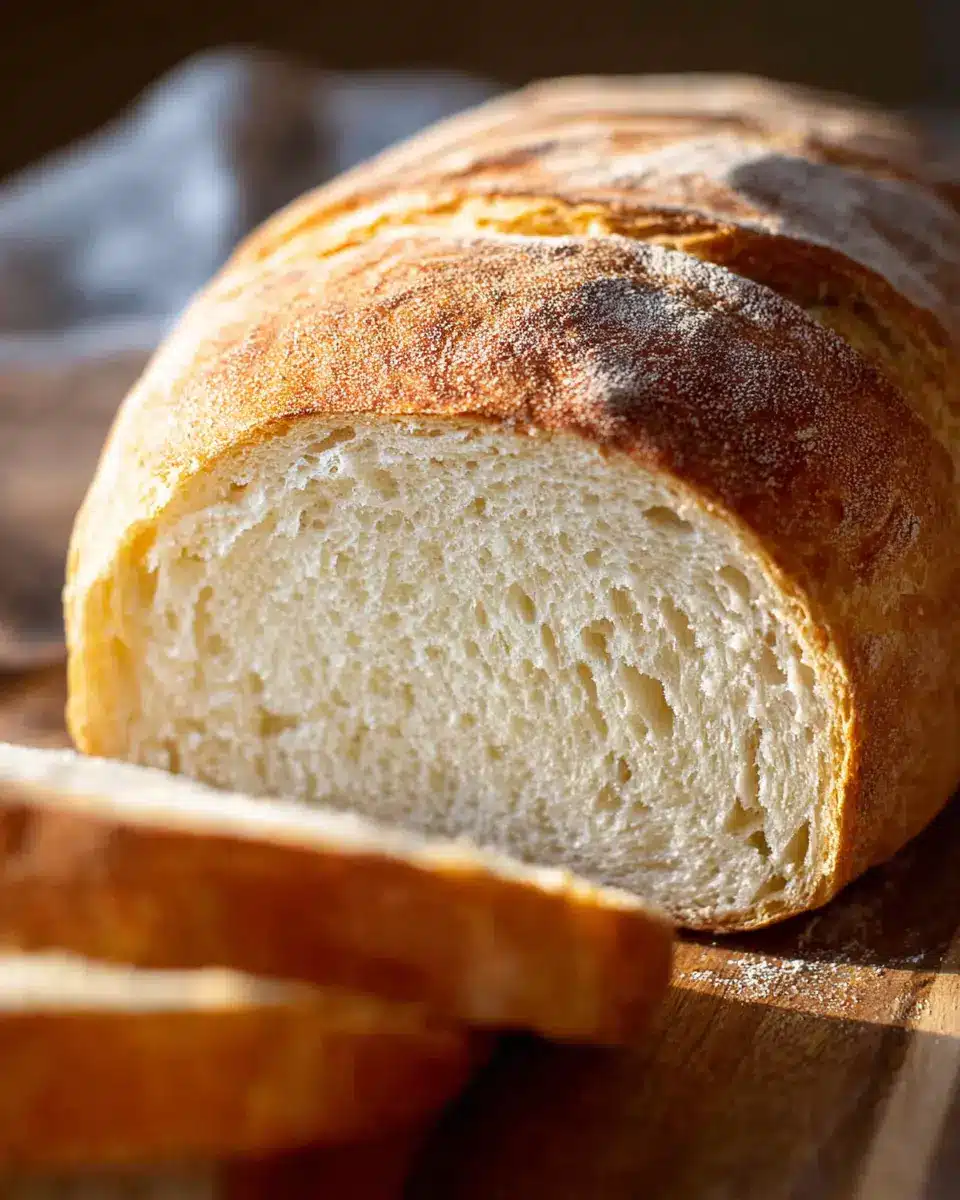
Serving Suggestions for Homemade Bread
Perfect pairings for your bread
Now that you’ve made delicious homemade bread, it's time to elevate your dining experience! Spread a generous layer of butter or cream cheese for a simple treat. For something a bit more adventurous, try avocado toast topped with sliced tomatoes and a sprinkle of salt. Looking for a warm option? Pair your bread with a hearty soup like butternut squash or tomato basil, which creates a perfect balance of flavors and textures.
Creative uses for leftover bread
Got leftover bread? Don't let it go to waste! Transform it into croutons for your salad or blend it into bread crumbs for a crunchy coating on chicken or vegetables. Feeling indulgent? Try making French toast or a classic bread pudding for a delightful dessert. For ideas and recipes, check out Food Network or Serious Eats. Enjoy your creations!
Time Breakdown for Homemade Bread
Preparation Time
Making homemade bread starts with a 15-minute prep session. This is when you’ll gather ingredients, mix the dough, and grease your bowls—simple stuff that gets your kitchen smelling divine!
Baking Time
After a few rises, the baking itself takes about 30-33 minutes. Your patience will pay off as you watch the loaves turn golden brown and smell incredible.
Total Time
All said and done, you’re looking at around 3 hours and 45 minutes from start to finish. This includes everything from prep, rise, to that satisfying moment when your homemade bread is ready to slice.
By breaking down the time, you can better manage your day and enjoy every step of creating this delicious homemade bread. Ready to get started? Check out the full recipe here.
Nutritional Facts for Homemade Bread
When it comes to homemade bread, your health-conscious choices matter. Each slice contains approximately 202 calories, making it a satisfying addition to any meal.
Nutritional Breakdown
- Carbohydrates: 41g
- Protein: 5g
- Fat: 2g
This balance of nutrients makes your bread not only delicious but also a nourishing option for sandwiches or toast. Want to know how to elevate your bread-making experience even further? Check out this expert guide on baking for tips and tricks!
FAQs about Homemade Bread
How can I ensure my bread rises perfectly?
To achieve that perfect rise in your homemade bread, start with fresh yeast. If you’re proofing, let it bubble in warm water and sugar for about 10 minutes. Also, ensure your dough is placed in a warm, draft-free environment during the rising stages; a warm oven works wonders! For a quicker rise, you can preheat your oven to 180°F, turn it off, and let the dough rise inside with the door ajar.
What can I use instead of honey or sugar?
If you're looking to substitute honey or sugar in your homemade bread, try using maple syrup or agave nectar. Both are great natural sweeteners! Alternatively, you can use coconut sugar or even stevia, but keeping the quantity right will ensure your bread maintains its delightful flavor and texture.
How should I store my homemade bread?
To keep your homemade bread fresh, store it in an airtight container or a resealable bag at room temperature for 2-3 days. If you want it to last longer, consider refrigerating it for up to a week. For extended storage, you can freeze your loaves for up to three months. Just ensure they are wrapped tightly to prevent freezer burn.
Conclusion on Homemade Bread
Embracing the Joy of Baking Bread at Home
Homemade bread is more than just a recipe; it’s an experience to cherish. As you thrive through each step, from mixing dough to smelling that warm, golden crust, you unlock a sense of accomplishment. Explore the incredible flavors you can create and enjoy every delicious bite!
Homemade Bread
Equipment
- Loaf Pan
- Bosch Mixer
Ingredients
- 2 cups warm water (105-115 degrees)
- 1 Tablespoon active dry yeast
- ¼ cup honey or sugar (85g honey, 50g sugar)
- 2 teaspoons salt
- 2 Tablespoons oil (canola or vegetable)
- 4 - 5 ½ cups all-purpose or bread flour (500g-688g)
Instructions
Prepare the Dough
- In a large bowl or stand mixer add the yeast, water and a pinch of the sugar or honey. Allow to rest for 5-10 minutes until foaming and bubbly.
- Add remaining sugar or honey, salt, oil, and 3 cups of flour. Mix to combine.
- Add another cup of flour and mix to combine. With the mixer running add more flour, ½ cup at a time, until the dough begins to pull away from the sides of the bowl.
Knead the Dough
- Mix the dough for 4-5 minutes on medium speed or knead with your hands on a lightly floured surface for 5-8 minutes.
First Rise
- Grease a large bowl with oil or cooking spray and place the dough inside, turning to coat. Cover with a dish towel or plastic wrap and allow to rise in a warm place until doubled in size, about 1 ½ hours.
Prepare Bread Pans
- Spray two 9x5'' bread pans generously with cooking spray on all sides.
- Punch the dough down well to remove air bubbles. Divide into two equal portions. Shape each ball into long logs and place into greased loaf pans.
Second Rise
- Cover pans with a dish towel or plastic wrap and allow dough to rise again for about 45 minutes to one hour.
Bake
- Preheat oven to 350 F. Bake bread for about 30-33 minutes, or until golden brown on top.
- Invert the loaves onto a wire cooling rack. Brush the tops with butter and allow to cool for at least 10 minutes before slicing.




Leave a Reply