
Introduction to Nigerian Chicken Stew
Nigerian Chicken Stew is a beloved staple in many households, renowned for its rich, vibrant flavors and warming characteristics. This hearty dish combines tender chicken with a luscious stew made from roasted bell peppers, tomatoes, and a blend of aromatic spices. An ideal choice for both lunch and dinner, it captures the essence of Nigerian cuisine in every bite.
But what makes Nigerian Chicken Stew stand out? It's all in the ingredients. Roasting the vegetables not only deepens their flavors but also adds a subtle smokiness that elevates the dish. When paired with perfectly seasoned chicken, this stew becomes a comforting meal enjoyed at family gatherings and special occasions alike. As you savor each mouthful, you’ll likely be reminded of home and the warmth of shared meals.
Preparing Nigerian chicken stew is a delightful journey into the heart of African cooking. Not only is it a fantastic option for your weeknight meals, but it's also an opportunity to explore the rich culinary traditions of Nigeria. If you're ready to impress your friends or simply treat yourself to something delicious, let’s dive into this recipe that promises to deliver flavor and satisfaction in every serving!
For more about Nigerian cuisine and its cultural significance, check out articles on food history at Nigerian Food Blog.
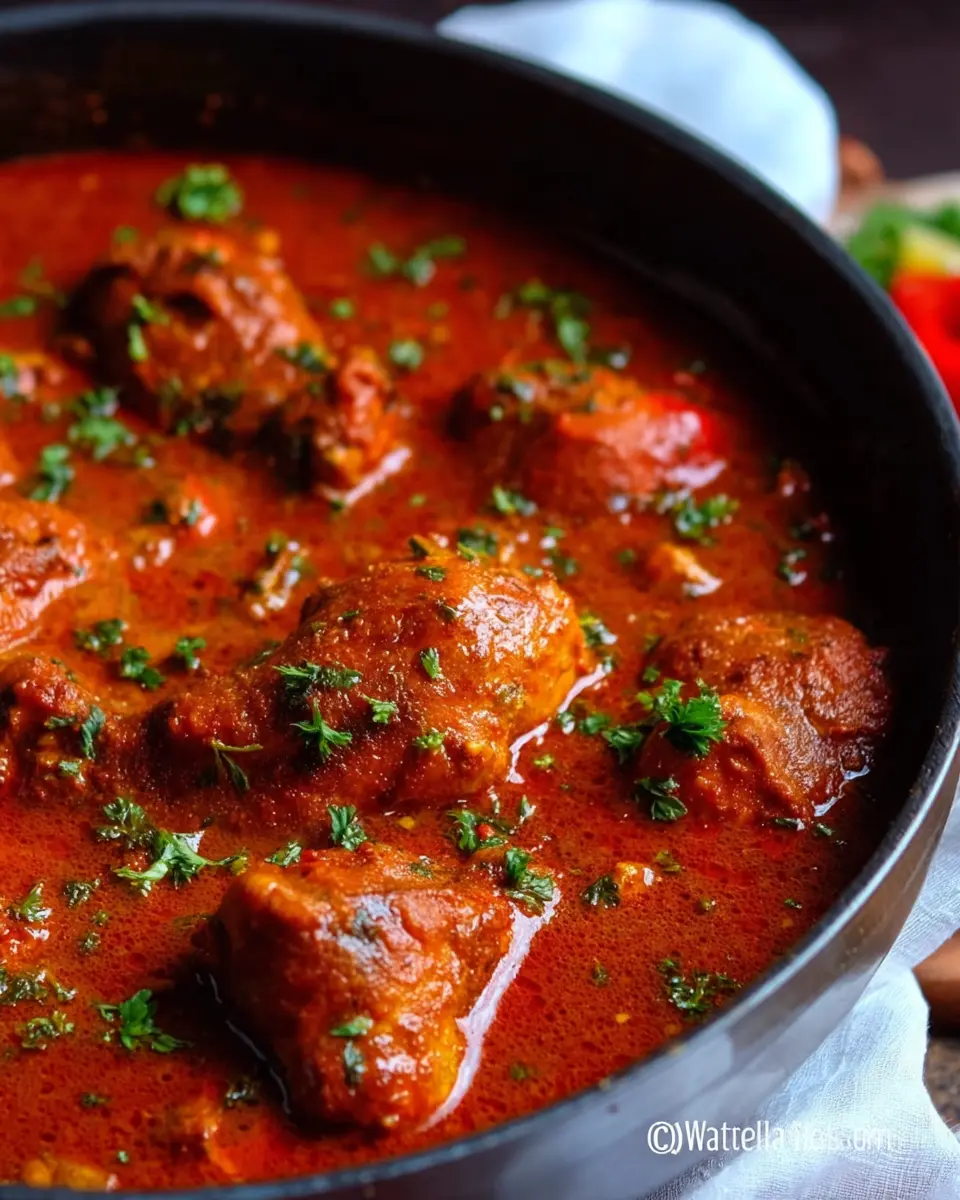
Ingredients for Nigerian Chicken Stew
When it comes to creating a delicious Nigerian chicken stew, the right ingredients are key. Let's dive into what you need to craft this delectable dish.
Essential Ingredients for a Rich Flavor
To achieve that authentic Nigerian flavor, gather the following essentials:
- 3 Red Bell Peppers (Tatashe)
- 4 Medium Tomatoes
- 2 Habanero Peppers (Scotch bonnet)
- 1 Medium Onion
- 5 Cloves Garlic
- 1 Inch Ginger Root
- 8 to 10 Chicken Drumsticks
- ½ Cup Vegetable Oil
- Chicken Stock (1½ - 2 cups)
These ingredients provide the foundation for a stew that is not only rich in taste but also filled with vibrant colors. The peppers and tomatoes create a base, while the chicken ensures your stew is hearty and satisfying.
Optional Ingredients for Variation
Feel free to get creative with these optional ingredients:
- Additional Spice Mixes: Consider incorporating cumin or coriander for extra depth.
- Vegetables: Carrots or green beans can add a nice crunch.
- Herbs: Fresh cilantro or parsley can brighten the dish.
Experimenting with these optional ingredients can transform your stew and tailor it perfectly to your taste preferences. Ready to bring your kitchen to life with this Nigerian chicken stew? Let’s move on to the cooking process!
Preparing Nigerian Chicken Stew
Nigerian chicken stew is a culinary delight that showcases the rich flavors of West Africa. From its vibrant colors to its enticing aroma, each step in preparing this stew brings you closer to a comforting, satisfying meal. Let’s dive into the preparation process, where you'll learn how to create a delicious pot of Nigerian chicken stew that’ll have everyone asking for seconds!
Roast the Vegetables
Begin your journey by roasting the vegetables. Preheat your oven to 425°F. Slice the red bell peppers, tomatoes, and onion in half and arrange them on a baking sheet. Include whole garlic cloves—they’ll lend a rich flavor. Give everything a generous brush with vegetable oil for extra depth. Roast in the oven for about 30 minutes, or until slightly charred. This roasting process enhances the natural sweetness of the veggies, making your stew extra delicious.
Once roasted, blend the vegetables with a small piece of ginger root and set the mixture aside. The flavors meld beautifully during roasting, promising a well-rounded base for your stew.
Season the Chicken
Next up is seasoning the chicken. In a large bowl, gently toss your chicken drumsticks with paprika, thyme, curry powder, and a sprinkle of salt and pepper. Allow the chicken to sit for at least 15 minutes. This step isn’t just about flavor; it's essential for ensuring every bite is succulent and tasty. For more on the importance of marinating chicken, check out Culinary Science.
Brown the Chicken
Now it’s time to brown the chicken. Heat a generous amount of vegetable oil in a large skillet over medium heat. Add some diced onion, cooking until fragrant. Introduce the seasoned chicken and brown it on both sides—about 10 minutes per side works well. This browning process isn’t just to get color; it develops a rich flavor that acts as a foundation for your stew, enhancing the overall taste.
Once well-browned, set the chicken aside and focus on the base of your stew.
Cook the Base of the Stew
In the same pan, add the remaining diced onion and sauté until translucent. Then, stir in your blended roasted vegetable mixture along with a couple of bay leaves. Let this cook for around 5 to 10 minutes. The combination of the sautéed onion and roasted vegetables creates an aromatic base for your Nigerian chicken stew.
Simmer Everything Together
Finally, return the browned chicken to the pan. Pour in the chicken stock and additional seasonings like paprika and rosemary. Bring everything to a simmer and cook until the chicken is tender—typically around 20 minutes. If the sauce becomes too thick, feel free to adjust with a bit more stock.
Serve your stew over fluffy white rice, pasta, or enjoy it with fresh bread. Not only is this dish filling, but it's also a warm hug on a plate, perfect for family dinners or entertaining friends. You’ll surely impress with this authentic and hearty Nigerian chicken stew. Happy cooking!
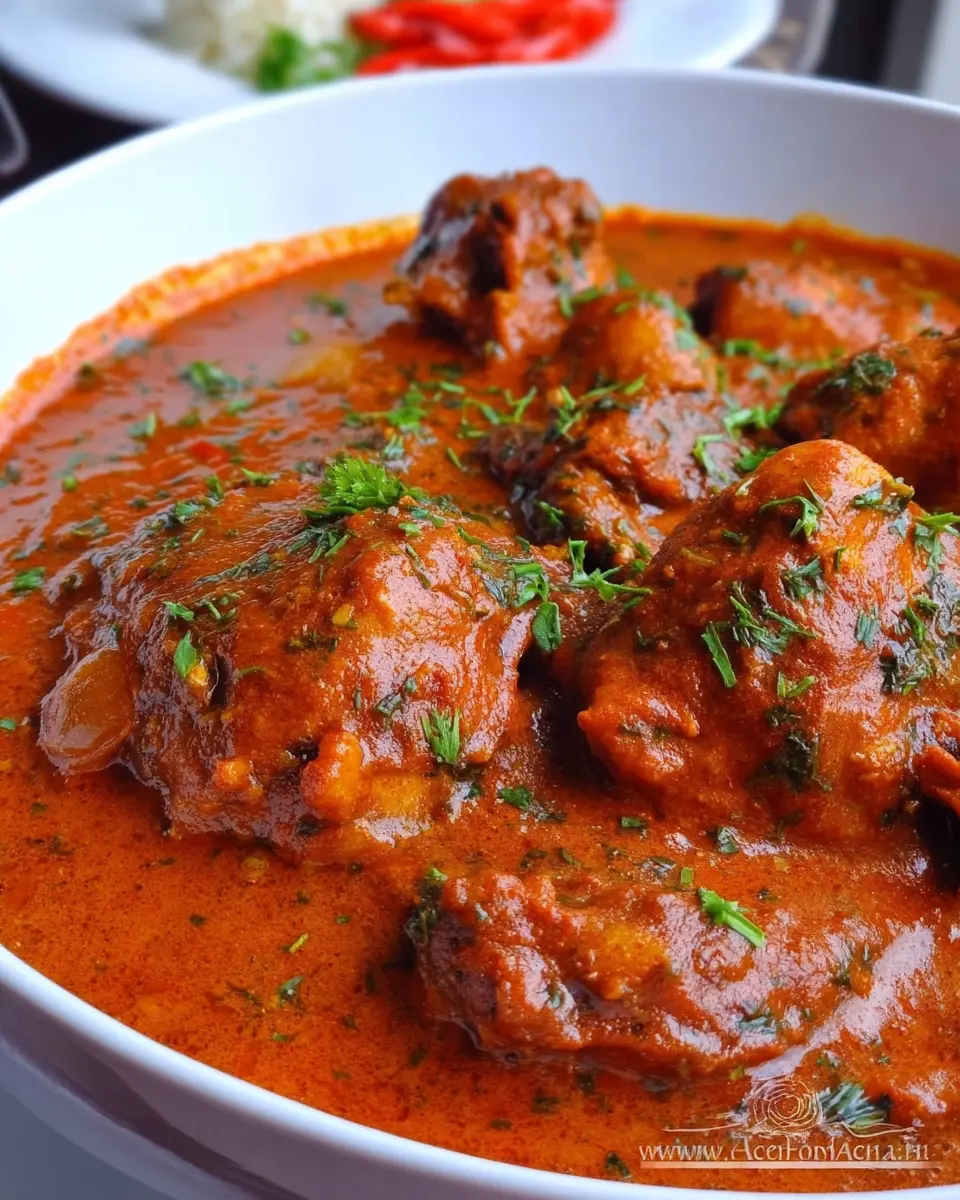
Variations on Nigerian Chicken Stew
Exploring variations of Nigerian chicken stew can elevate your meal experience, whether you're craving something hearty or trying to accommodate different dietary preferences. Here are two exciting adaptations:
Vegetarian Nigerian Stew
For a plant-based twist, swap chicken with hearty vegetables like eggplant, carrots, and chickpeas. By following the original recipe's method, you can create a rich and flavorful stew. Just remember to increase the simmering time to let the vegetables absorb all those delicious flavors. You can use vegetable broth instead of chicken stock for an equally satisfying dish.
Spicy Nigerian Chicken Stew
If you love heat, kick up the spice in your Nigerian chicken stew! Add extra Scotch bonnet peppers and a dash of cayenne pepper to your blended sauce for a fiery kick. Pair it with rice or fufu to balance the heat and indulge in the robust flavors that come alive in each bite.
Experimenting with these variations not only keeps mealtime exciting but also showcases the versatility of this beloved Nigerian classic. For more on adapting traditional recipes, check out Serious Eats for tips and inspiration. Happy cooking!
Cooking tips for Nigerian Chicken Stew
Perfecting the spice blend
The spice blend is crucial for a delicious Nigerian chicken stew. For a robust flavor, consider using freshly ground spices whenever possible. Combine your paprika, thyme, and curry powder with a pinch of ground ginger for an extra kick. Have you ever tried adding a bit of nutmeg? It works wonders! Remember, adjusting the spices to your taste preference is key—don’t hesitate to experiment!
Adjusting thickness levels
Getting the perfect stew thickness can be achieved by gradually adding chicken stock or water as needed. If you find your stew too thick, simply stir in a little more liquid, allowing it to simmer and blend. On the flip side, if it’s too watery, let it cook longer to thicken. Experiment until you find that perfect consistency that you enjoy!
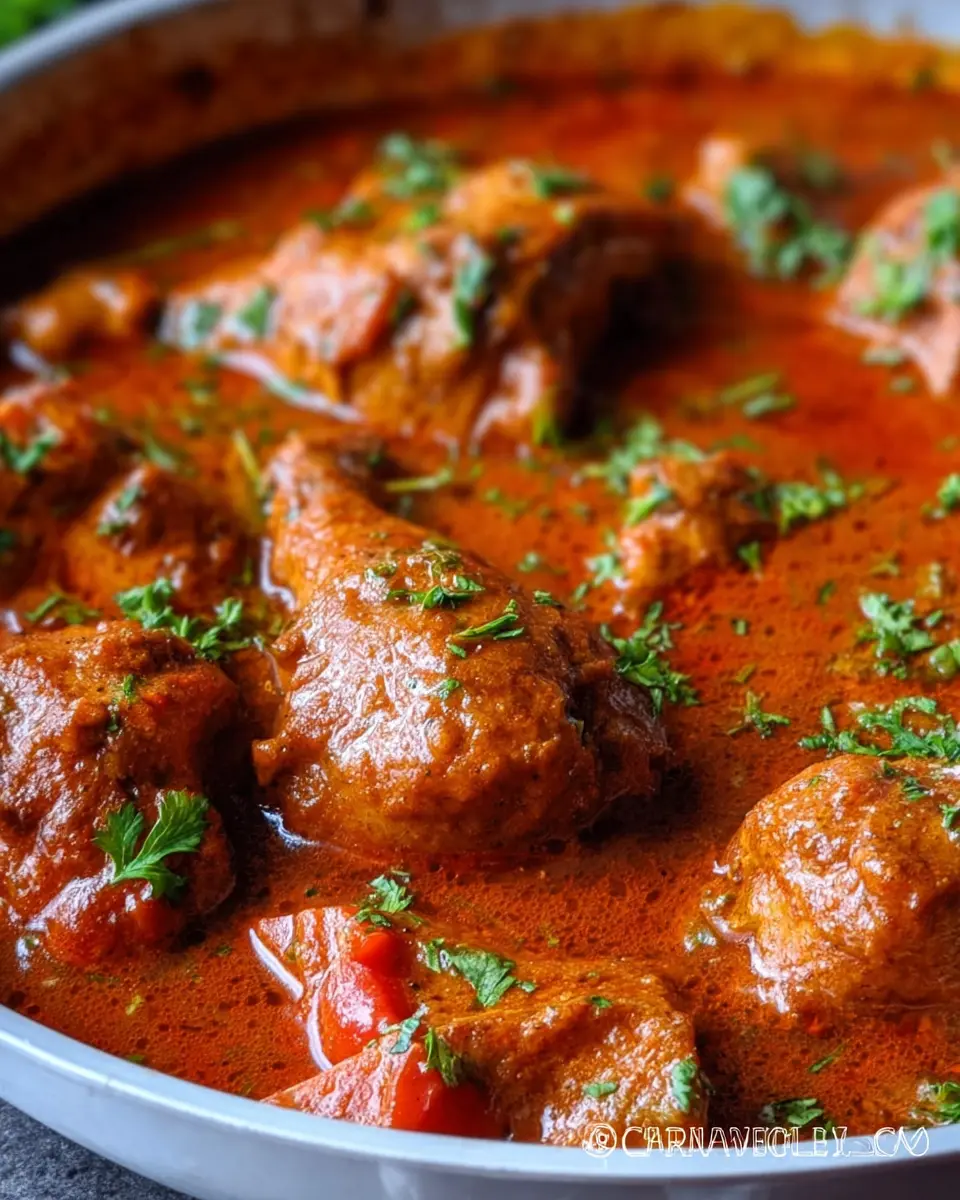
Serving suggestions for Nigerian Chicken Stew
Best sides to complement the stew
To elevate your Nigerian chicken stew, consider serving it with these delicious sides:
- White rice: The classic combination that soaks up the savory flavors.
- Pasta: A delightful twist that adds a unique flair to your meal.
- Couscous: Its fluffy texture beautifully complements the thick stew.
- Fried plantains: Their sweetness offers a wonderful contrast to the savory notes.
- Yam or potatoes: Boiled or fried, these starchy sides balance the dish nicely.
Creative serving ideas
Beyond the usual plate, how about a fun twist? Serve the Nigerian chicken stew in hollowed-out bread rolls or alongside a vibrant salad. For a family-style meal, place the stew in the center of the table with sides scattered around for everyone to dig in. This creates not just a meal, but a shared experience. You can also include an African slaw for added crunch and freshness.
Using any of these serving ideas will surely impress your guests while enhancing the overall dining experience!
Time Breakdown for Nigerian Chicken Stew
Preparation Time
Get ready for your culinary adventure! You’ll need about 10 minutes to gather your ingredients and prep everything. It’s a great time to put on some music or a podcast while you chop those tomatoes and peppers.
Cooking Time
Once you're all set, the cooking will take approximately 50 minutes. The scent of the Nigerian chicken stew will fill your kitchen, making it hard to wait for the stew to simmer!
Total Time
In just 1 hour, you'll have a delicious, hearty stew ready to serve. Perfect for a cozy dinner with friends or family, this recipe not only nourishes but also warms the heart!
For more about the rich flavors of Nigerian cuisine, check out Nigerian Food and Culture.
Nutritional Facts for Nigerian Chicken Stew
When you indulge in soulful Nigerian chicken stew, you're not just satisfying your taste buds; you're nourishing your body too! Here's a quick glance at the essential nutritional facts:
- Calories: 255 kcal per serving, making it a hearty main course without overwhelming your daily calorie intake.
- Protein: With 14g of protein, this dish is a fantastic source of lean protein, perfect for muscle repair and overall health.
- Sodium: Clocking in at 293mg, it’s advisable to monitor sodium intake, especially if you're watching your heart health.
If you're curious to delve deeper into nutritional insights, check out this resource on Nutritional Guidelines for more balanced eating tips! Enjoy this sumptuous stew guilt-free!
FAQs about Nigerian Chicken Stew
Can I use other types of chicken?
Absolutely! While Nigerian chicken stew is traditionally made with drumsticks, you can substitute with boneless chicken breast or thighs if you prefer. Just keep an eye on the cooking time—boneless cuts typically require less time to cook through.
How can I make it less spicy?
If heat isn't your thing, you can easily dial down the spice level. Simply reduce the amount of habanero peppers you use or opt for milder bell peppers in the mix. Alternatively, you can add a dollop of cream or yogurt after cooking to balance out the heat, making it gentle on the palate.
What can I serve with Nigerian chicken stew?
This delightful stew pairs well with a variety of sides! Consider serving it over steaming white rice, fluffy couscous, or even alongside freshly baked bread for dipping. You could also enjoy it with pasta or plantains for a sweet contrast. Each option complements the rich flavors beautifully!
For more tips on serving suggestions, check out this resource for creative ideas!
Conclusion on Nigerian Chicken Stew
In summary, this Nigerian Chicken Stew is a delightful blend of flavors that captivates the senses. With its rich, savory profile, it's an ideal dish for both casual lunches and celebratory dinners. Don’t hesitate to experiment and adjust ingredients—it’s all about making it your own! Enjoy!
Nigerian Chicken Stew - The Best!
Equipment
- oven
- skillet
- blender
- sheet pan
Ingredients
Roast
- 3 whole Red Bell Peppers Tatashe
- 4 medium Tomatoes
- 2 whole Habanero pepper Scotch bonnet - Ata rodo
- 1 medium onion
- 5 cloves Garlic
- 1 inch Ginger Root
Chicken
- 8 to 10 pieces Chicken drumsticks
- 1 teaspoon Thyme
- 1 teaspoon Paprika
- 1 teaspoon Curry Powder
- Salt and pepper to taste
- ½ cup Vegetable oil
- 2 tablespoons onion diced
Stew
- 1 medium onion diced
- 1.5 to 2 Cups Chicken Stock
- 1 teaspoon Curry Powder
- 1 teaspoon Rosemary
- 1 teaspoon Paprika
- 2 leaves Bay Leaves
- 2 teaspoons chicken bouillon powder or 2 Chicken cubes
Instructions
Preparation
- Slice the tomatoes, peppers, and onions into two halves and place them in a sheet pan alongside the garlic cloves. Brush generously with oil and place in a 425F preheated oven and roast for 30 minutes or till slightly charred. Blend everything with the ginger root and set aside.
- Season the chicken with paprika, thyme, curry powder, salt, and pepper. Set aside.
- In a large skillet, heat oil over medium heat, add 2 tablespoon from the diced onions, and cook till the oil becomes fragrant.
- Add the chicken legs and fry until they become well browned on both sides—about 10 minutes on each side. Remove from pan and set aside.
- Add the remaining diced onions inside the same pan where the chicken was fried. Cook till the onions become translucent. Add the blended sauce and bay leaves and cook for 5 to 10 minutes.
- Add the chicken broth, paprika, curry powder, rosemary, bouillon powder, black pepper, and salt to taste.
- Gently put the fried chicken in the sauce and leave to simmer until the chicken becomes tender about 20 minutes.
- Stir occasionally to prevent burning and adjust the thickness of stew with water or stock if necessary.
- Serve over white rice, pasta, couscous, or eat with freshly baked bread.



Leave a Reply